
Acne Treatment in Islamabad
Acne Treatment is a personalised medical and aesthetic approach used to control clogged pores, blackheads, whiteheads, inflammatory pimples, pustules, nodules and cysts while reducing the risk of persistent pigmentation and permanent acne scarring. Treatment depends on the type and severity of acne rather than using the same facial, peel or medication for every patient.
Management may include appropriate skincare, topical medicines, oral medicines, hormonal treatment in selected patients, chemical peels or other procedures. Active acne should generally be brought under control before focusing on established acne scars.
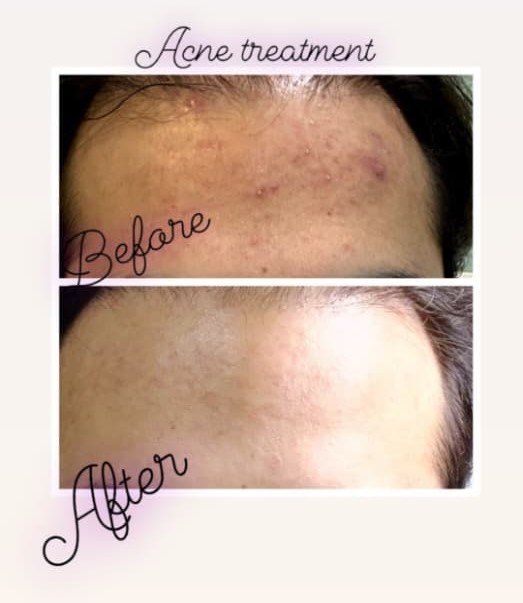
What is Acne Treatment?
Acne Treatment refers to medical and procedural treatments used to control acne vulgaris, a common inflammatory skin condition involving the hair follicles and sebaceous glands.
Acne develops through several interacting processes, including:
- Excess sebum production
- Blockage of follicles by dead skin cells
- Cutibacterium acnes involvement
- Skin inflammation
- Hormonal influences
- Genetic susceptibility
Acne can appear as different types of lesions.
These include:
- Blackheads
- Whiteheads
- Small inflammatory pimples
- Pustules
- Papules
- Nodules
- Cysts
Because acne has several underlying mechanisms, combination treatment is often more effective than relying on one product alone.
Current American Academy of Dermatology guidelines strongly recommend established treatments such as topical benzoyl peroxide, topical retinoids and appropriate combinations of topical therapies. Systemic treatments may be considered when acne severity requires them.
What Is Acne Treatment Used For?
Acne Treatment may be considered for:
- Blackheads
- Whiteheads
- Recurrent pimples
- Oily acne-prone skin
- Inflamed red spots
- Pustular acne
- Nodular acne
- Cystic acne
- Facial acne
- Back acne
- Chest acne
- Adult acne
- Hormonal-pattern acne
- Acne associated with post-inflammatory pigmentation
- Acne at risk of permanent scarring
Early effective treatment is important because persistent inflammatory acne can increase the risk of permanent scarring.
Acne treatment should therefore focus not only on clearing visible spots but also on preventing new lesions from developing.
Types of Acne
Comedonal Acne
Comedonal acne primarily consists of:
- Blackheads
- Whiteheads
- Small blocked pores
Topical treatments that help prevent follicular blockage are often important for this type of acne.
Inflammatory Acne
Inflammatory acne includes:
- Red papules
- Pustules
- Tender pimples
Treatment may need to address both blocked pores and inflammation.
Nodular or Cystic Acne
Deep, painful nodules or cysts can produce substantial inflammation and have a greater risk of leaving permanent scars.
These cases may require systemic medical treatment rather than facials or cosmetic procedures alone.
Adult or Hormonal-Pattern Acne
Some adults, particularly women, experience acne concentrated around areas such as the:
- Chin
- Jawline
- Lower face
Hormonal factors can contribute, and selected patients may benefit from hormonal treatment after appropriate medical assessment.
Acne with Pigmentation
Acne can leave flat brown, grey, red or purple marks after a breakout has healed.
These are often post-inflammatory pigment changes rather than true scars.
Treatment should control active acne first while also considering safe management of residual pigmentation.
What concerns can it address?
Blackheads and Whiteheads
Treatment can help prevent and clear clogged follicles using appropriate topical therapy and skincare.
Recurrent inflammatory pimples
Anti-inflammatory and antimicrobial strategies may reduce repeated inflammatory breakouts.
Excess oil
Some acne treatments can reduce sebum or help prevent oil and dead skin cells from contributing to clogged follicles.
Deep painful acne
Moderate-to-severe inflammatory, nodular or cystic acne may require prescription oral treatment.
Post-acne dark marks
Controlling new breakouts is essential before concentrating on residual pigmentation.
Ingredients such as retinoids or azelaic acid may sometimes help both acne and post-inflammatory pigmentation.
Risk of acne scars
Prompt control of inflammatory acne can reduce the development of new permanent scars.
The American Academy of Dermatology specifically recommends treating acne early because deeper and persistent breakouts have a greater risk of producing scars.
Potential benefits
Depending on the treatment plan, potential benefits may include:
- Fewer acne breakouts
- Reduction in blackheads and whiteheads
- Reduced inflammatory lesions
- Better control of oily acne-prone skin
- Reduced frequency of deep painful spots
- Lower risk of future acne scars
- Improvement in post-acne pigmentation over time
- More even skin texture as active inflammation resolves
- Improved long-term control through maintenance treatment
Effective acne treatment can also reduce the need to repeatedly squeeze or pick lesions, which itself can increase inflammation, pigmentation and scarring.
Limitations and realistic expectations
Acne treatment usually requires consistency and time.
It should not be expected to completely clear chronic acne after one facial, peel or medication application.
Acne can also recur because underlying influences such as:
- Hormones
- Genetics
- Sebum production
- Medications
- Occlusive products
- Lifestyle or environmental triggers
may continue.
Patients should be cautious of claims such as:
- “Acne permanently cured in one session”
- “100% acne removal”
- “No breakouts will ever return”
- “One facial cures cystic acne”
- “Laser permanently removes all acne”
- “Every patient needs the same acne treatment”
Another important distinction is between active acne and acne scars.
Treating active acne does not automatically remove established depressed or raised scars.
Scar procedures are usually planned separately once acne is adequately controlled.
Who may be suitable?
Acne treatment may be appropriate for adolescents and adults with:
- Comedonal acne
- Mild inflammatory acne
- Moderate acne
- Severe acne
- Adult acne
- Hormonal-pattern acne
- Acne associated with pigmentation
- Acne at risk of scarring
Assessment may include:
- Type of acne lesions
- Severity
- Areas affected
- Duration
- Previous treatment
- Skincare products
- Menstrual or hormonal history where relevant
- Medication
- Pregnancy potential
- Scarring
- Pigmentation
- Medical history
Treatment should then be matched to acne severity.
A patient with occasional blackheads generally requires a very different treatment plan from someone with widespread painful nodules and permanent scarring.
Who may require additional medical assessment?
Additional medical assessment may be important for:
- Severe nodular or cystic acne
- Rapidly worsening acne
- Acne causing permanent scars
- Acne that has failed appropriate standard treatment
- Significant menstrual irregularity with acne
- Other signs of hormonal imbalance
- Sudden severe adult-onset acne
- Acne associated with a new medication
- Significant psychological distress associated with acne
Women who develop acne together with symptoms suggesting androgen excess may require investigation for an underlying hormonal condition.
Acne-like eruptions can also occasionally be caused by conditions other than acne vulgaris, so diagnosis should be reconsidered if standard treatment consistently fails.
Who may not be suitable?
There is no single contraindication list for all acne treatments because each medication and procedure has different restrictions.
Certain treatments may need to be modified or avoided in patients with:
- Pregnancy
- Breastfeeding
- Known allergies to treatment ingredients
- Significant skin irritation
- Active skin infection unrelated to acne
- Particular medical conditions
- Certain medication interactions
Isotretinoin and pregnancy
Oral isotretinoin is a highly effective treatment for severe or treatment-resistant acne, but it can cause severe birth defects if taken during pregnancy.
Pregnancy prevention and appropriate medical monitoring are therefore essential when isotretinoin is prescribed to someone who can become pregnant.
It should only be used under appropriate medical supervision.
How to prepare
Before Acne Treatment, tell your clinician about:
- Current acne products
- Prescription creams
- Oral antibiotics
- Previous isotretinoin
- Retinoids
- Supplements
- Allergies
- Hormonal medicines
- Birth-control medication
- Pregnancy or breastfeeding
- Medical conditions
- Previous chemical peels
- Laser treatment
- Microneedling
- Previous acne-scarring procedures
Bring information about products you currently use.
Using too many strong ingredients simultaneously can damage the skin barrier and worsen:
- Redness
- Irritation
- Dryness
- Post-inflammatory pigmentation
Avoid squeezing or picking acne lesions.
Picking increases inflammation and can increase both pigmentation and permanent scar formation.
How the procedure works
Treatment depends on acne type and severity.
1. Skin assessment
The clinician identifies:
- Comedones
- Inflammatory lesions
- Nodules or cysts
- Pigmentation
- Scarring
- Oiliness
- Areas affected
2. Acne severity assessment
Acne is broadly classified according to lesion type, extent and severity.
3. Skincare planning
Patients are generally advised to use acne-compatible skincare such as:
- Gentle cleanser
- Non-comedogenic moisturiser
- Appropriate sunscreen
- Clinician-selected active ingredients
4. Topical acne treatment
Depending on the individual, treatment may include:
Benzoyl Peroxide
Benzoyl peroxide reduces acne-associated bacteria and inflammation and is strongly recommended in current acne guidelines.
It can also help reduce development of antibiotic resistance when antibiotics are required.
Topical Retinoids
Examples include:
- Adapalene
- Tretinoin
- Tazarotene
- Trifarotene
Retinoids help prevent blocked follicles and reduce inflammation.
They are important treatments for comedonal and inflammatory acne.
Azelaic Acid
Azelaic acid may help acne and can also be useful for post-inflammatory pigmentation in selected patients.
Salicylic Acid
Salicylic acid can help exfoliate within pores and may be useful for selected comedonal acne.
Topical Antibiotics
Topical antibiotics may be used in selected inflammatory acne treatment plans.
They should generally be combined with benzoyl peroxide rather than used indefinitely alone because of antibiotic-resistance concerns.
5. Oral medication when required
Moderate or severe acne may require systemic treatment.
Options can include:
Oral Antibiotics
Selected oral antibiotics can reduce inflammation in moderate-to-severe acne.
Current acne guidelines recommend limiting antibiotic duration whenever possible and combining antibiotics with benzoyl peroxide or other appropriate topical therapy to reduce antimicrobial resistance.
Hormonal Treatment
Selected female patients may benefit from treatments such as:
- Combined oral contraceptives
- Spironolactone
after appropriate medical assessment.
Isotretinoin
Oral isotretinoin may be considered for:
- Severe acne
- Nodular acne
- Acne causing significant scarring
- Acne that has not responded adequately to standard therapy
Appropriate monitoring and pregnancy-prevention requirements are essential.
6. Procedural treatment when appropriate
Certain procedures may be used alongside medical treatment.
Options can include:
- Comedone extraction
- Selected chemical peels
- Intralesional corticosteroid injection for selected large painful lesions
- Certain light or laser procedures as adjuncts
Procedures should support rather than replace appropriate medical treatment where significant inflammatory acne is present.
Results and treatment timeline
Acne treatment requires patience.
First several weeks
Some patients begin noticing fewer new lesions.
Certain medications—particularly retinoids—may initially cause:
- Dryness
- Peeling
- Irritation
- Temporary apparent worsening
as the skin adjusts.
Around 6 to 8 weeks
A clearer treatment response may begin to emerge.
Around 8 to 12 weeks
This is often a more useful point for assessing whether a topical acne programme is producing meaningful improvement.
Several months
Moderate or severe acne may require several months of continued treatment.
Once acne is controlled, maintenance therapy may help prevent recurrence.
Acne scars
Scar treatment generally comes after active acne is adequately controlled.
The AAD recommends controlling breakouts before focusing on scar procedures because new acne can create new scars.
Risks and side effects
Risks depend on treatment.
Topical retinoids
Possible effects include:
- Dryness
- Peeling
- Redness
- Irritation
- Increased sun sensitivity
Benzoyl peroxide
Possible effects include:
- Dryness
- Irritation
- Peeling
- Bleaching of towels, bedding or clothing
Salicylic acid and exfoliating products
Possible effects include:
- Dryness
- Irritation
- Burning
- Excessive peeling when overused
Antibiotics
Potential adverse effects vary according to the specific antibiotic.
Unnecessary or prolonged use also contributes to antimicrobial resistance, which is why current guidelines recommend limiting systemic antibiotics.
Hormonal medication
Hormonal acne treatment has medication-specific risks and contraindications that require individual medical assessment.
Isotretinoin
Potential adverse effects include significant dryness and other systemic effects requiring medical monitoring.
Most importantly, isotretinoin can cause severe fetal harm and must not be used during pregnancy.
Procedural treatments
Chemical peels, lasers and other procedures can potentially cause:
- Redness
- Irritation
- Burns
- Hyperpigmentation
- Hypopigmentation
- Infection
- Scarring
Skin type and existing inflammation should therefore be considered before procedural treatment.
Recovery and aftercare
Most medical acne treatment does not require conventional downtime.
However, patients may experience dryness or irritation while adjusting to treatment.
General skincare advice may include:
- Cleanse gently.
- Avoid harsh scrubs.
- Avoid squeezing or popping pimples.
- Use non-comedogenic moisturiser.
- Use broad-spectrum sunscreen.
- Introduce active ingredients according to instructions.
- Avoid using several irritating products simultaneously unless directed.
- Continue treatment consistently.
- Avoid stopping treatment immediately after the skin clears unless advised.
Acne medication is designed partly to prevent new breakouts, so stopping effective treatment too early can allow acne to return.
Contact your clinician if you develop:
- Severe skin irritation
- Significant swelling
- Blistering
- Severe medication reaction
- Rapidly worsening acne
- Another unexpected symptom
Acne Treatment and Acne Scars
Active acne and acne scars should be treated as related but separate concerns.
Acne scars may include:
Ice Pick Scars
Deep, narrow depressions extending into the skin.
Boxcar Scars
Broader depressed scars with relatively defined edges.
Rolling Scars
Wider depressions associated with fibrous attachments beneath the skin.
Hypertrophic Scars
Raised scars caused by excessive scar tissue.
Keloid Scars
Raised scars that extend beyond the original area of injury.
Flat brown or red marks left after acne are often not true scars.
They are usually post-inflammatory colour changes.
The AAD notes that different acne-scar types require different treatments, and combination therapy is often necessary.
Possible scar treatments may include:
- Microneedling
- Radiofrequency microneedling
- Chemical peels
- Laser resurfacing
- Subcision
- Selected dermal fillers
- Scar surgery
- Corticosteroid treatment for raised scars
- Combination therapy
Active acne should generally be controlled first to reduce development of additional scars.
Alternatives and comparisons
The appropriate treatment depends on acne severity.
Acne Treatment vs Hydrafacial
Hydrafacial can help remove superficial oil and congestion and may complement care for selected mild acne-prone skin.
It does not replace evidence-based medical treatment for moderate, severe, nodular or scarring acne.
Acne Treatment vs Chemical Peel
Chemical peels may help selected:
- Comedonal acne
- Post-acne pigmentation
- Superficial textural concerns
They are one possible part of an acne plan rather than a universal cure.
Acne Treatment vs Laser Treatment
Certain laser and light-based treatments may be used as adjuncts for selected acne or acne-related concerns.
They should not automatically replace topical or systemic treatment.
Acne Treatment vs Acne Scar Treatment
Acne treatment aims to stop active breakouts.
Acne scar treatment aims to reduce scars that remain after breakouts have healed.
Controlling active acne first helps prevent additional scars from developing.
What affects the cost?
The cost of Acne Treatment depends on:
- Acne severity
- Type of acne
- Prescription medications
- Medical consultation
- Skincare requirements
- Number of follow-up visits
- Chemical peels or procedures
- Acne pigmentation treatment
- Whether acne scars require separate treatment
- Duration of treatment
A person with mild blackheads may require a relatively simple skincare and topical treatment plan.
A person with severe nodular acne, pigmentation and established scars may require a considerably more comprehensive programme.
For this reason, treatment should be based on acne diagnosis and severity rather than a fixed acne package.
Patient experiences
Reviews describe individual experiences and do not predict another patient's result.
I had a wonderful experience consulting with Dr. Samaviya Ejaz. She is an incredibly impressive and professional dermatologist. Her clinic is beautiful and has a calming atmosphere.
Umar Shah
Read on GoogleI had my hair fall consultation with Dr Samavia. She thoroughly explained the treatment. After PRF sessions my hair fall stopped and density improved. Highly recommend.
Moneeb Mumtaz
Read on GoogleI have had a few treatments at this clinic and I am happy with the outcomes. Dr. Samavia and her team are kind, professional, and trustworthy.
Sheikh Yousuf Kareem
Read on GoogleVisit Dr Samavia at Facetime Clinic
Use the verified Google profile for clinic directions, business details and linked patient reviews.
Clinical references
- Acne Clinical GuidelineAmerican Academy of Dermatology · accessed 29 August 2026
- American Academy of Dermatology Issues Updated Guidelines for the Management of AcneAmerican Academy of Dermatology · accessed 29 August 2026
- Acne: Diagnosis and TreatmentAmerican Academy of Dermatology · accessed 29 August 2026
- Acne Scars: Overviewmerican Academy of Dermatology · accessed 29 August 2026
- Acne Scars: Consultation and TreatmentAmerican Academy of Dermatology · accessed 29 August 2026
- Acne Vulgaris: ManagementNICE · accessed 29 August 2026
Acne Treatment FAQs
What is the best treatment for acne?
There is no single best treatment for every patient. Mild comedonal acne may respond to topical treatments such as retinoids or benzoyl peroxide, while moderate or severe inflammatory acne may require oral medication. Severe, scarring or treatment-resistant acne may require isotretinoin. Treatment should be selected according to acne type, severity and medical history.
How long does Acne Treatment take to work?
Acne treatment is gradual. Some improvement may become noticeable after several weeks, while approximately 8 to 12 weeks is often needed to judge a treatment plan more meaningfully. Severe acne may require several months of treatment, followed by maintenance therapy to reduce recurrence.
Can acne be permanently cured?
Acne can often be controlled very effectively, but a permanent cure cannot be guaranteed. Hormones, genetics and oil production can continue to influence the skin, and some people experience recurrence. Maintenance treatment can help prevent new breakouts after acne has improved.
Should I pop or squeeze my pimples?
No. Picking, squeezing or scratching acne increases inflammation and can increase the risk of infection, post-inflammatory pigmentation and permanent scarring. Deep or painful lesions should be treated rather than repeatedly squeezed at home.
Can acne scars be treated at the same time as active acne?
The priority is generally to control active acne first so that new scars are not continually developing. Once breakouts are adequately controlled, scar treatments such as microneedling, radiofrequency microneedling, laser resurfacing, subcision, selected fillers or chemical peels may be considered according to the type of scar.
Other Face Treatments guides
Book a consultation in Islamabad to review suitability, alternatives, expected recovery and individual risks.