Treatment category

Hair Loss Treatments and Hair Transplant in Islamabad

Hair loss has causes — genetic, hormonal, nutritional, stress-related. Treating it without diagnosing it wastes your time and money.

Every hair patient at Supreme Aesthetics starts with an assessment, and where appropriate, blood work. Only then do we discuss PRP, medical therapy or transplantation.

Book a consultationAsk on WhatsApp

Hair Procedures consultation at Dr Samavia Clinic Islamabad
Compare options

Hair Procedures at a glance

This comparison supports research only. Duration, downtime and suitability can change after assessment.

TreatmentCommon reasons to consider itDurationDowntime
DHI Hair TransplantDHI hair transplantation may be considered when permanent hair follicles remain available in the donor region but hair h...Commonly 4 to 8 hours depending on graft numbers and treatment areaVisible redness, swelling or scabbing may last around 7 to 14 days
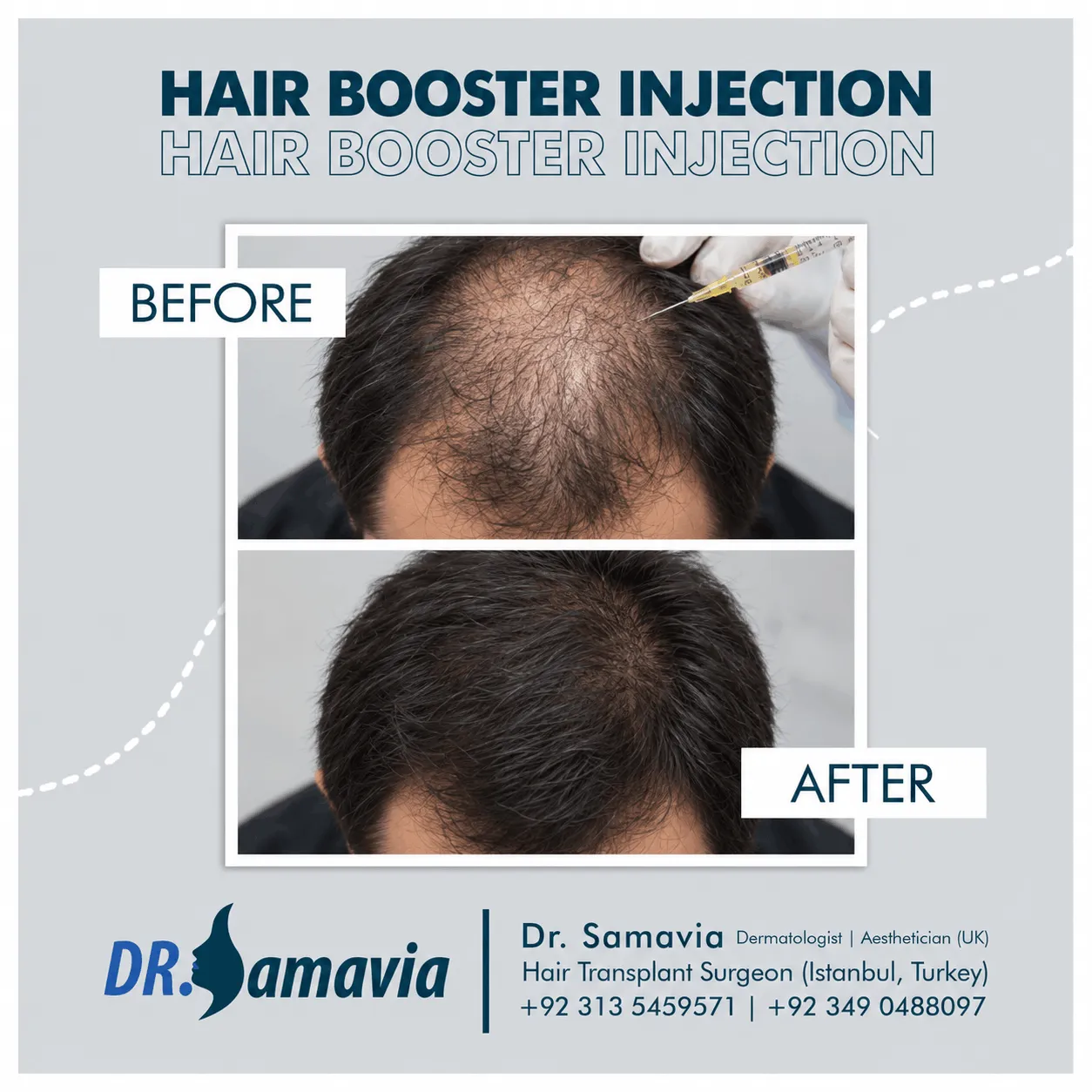
Hair Booster InjectionDepending on the formulation, hair booster treatment may be considered for: Early-stage pattern hair thinning Reduce...Commonly around 30 to 60 minutesMild redness, tenderness, swelling or small bruises may occur for 1 to 3 days
Hair Cleansing TreatmentExcess scalp oil Sebaceous glands naturally produce sebum. When oil accumulates together with sweat and product residu...Commonly around 30 to 60 minutes depending on hair length, scalp condition and treatment protocolUsually none; temporary scalp sensitivity or dryness can occasionally occur
Hair Exosome TreatmentHair Exosome Treatment may potentially be discussed for selected patients concerned about: Early hair thinning Reduc...Commonly around 30 to 60 minutes depending on the delivery method and treatment areaMild redness, tenderness or swelling may occur for approximately 1 to 3 days depending on the procedure
Hair Fall TreatmentExcessive Hair Shedding Diffuse shedding may occur with telogen effluvium. Possible triggers include: Significant i...Initial assessment commonly takes around 20 to 40 minutes; treatment duration depends on the causeUsually none for medical treatment; PRP, PRF, microneedling or other procedures may cause temporary redness or tenderness
Hair ScanHair Density Digital examination may help document differences in visible hair density between scalp areas. For patter...Commonly around 20 to 40 minutes depending on the extent of assessmentNone
Hair TransplantHair transplantation may improve the appearance of: Receding hairlines Frontal baldness Temple recession Crown thi...Commonly around 4 to 8 hours; larger procedures may require longer or more than one sessionRedness, swelling and scabbing commonly occur for approximately 1 to 2 weeks
Laser Hair Growth TreatmentLaser Hair Growth Treatment may help selected patients with viable but miniaturising follicles. Potential treatment goa...Commonly around 15 to 30 minutes per session, depending on the device and protocolUsually none
PRF Hair TreatmentPRF may be considered for patients with viable but miniaturising hair follicles, particularly in early or moderate andro...Commonly around 30 to 60 minutesMild scalp tenderness, redness or swelling may occur for 1 to 2 days
PRP Hair TreatmentPRP may be discussed for selected adults with early or moderate pattern hair loss and viable follicles. It is less likel...Commonly 45 to 60 minutesScalp tenderness or redness for 1 to 2 days
Scalp MicropigmentationScalp micropigmentation may help cosmetically camouflage: Visible scalp caused by thinning hair Receding frontal hai...Commonly around 2 to 4 hours per session depending on the treatment areaRedness and mild tenderness commonly settle within a few days
Treatment guides

Explore Hair Procedures

Open a guide for procedure-specific benefits, limitations, preparation, risks and aftercare.

Hair Procedures

DHI Hair Transplant

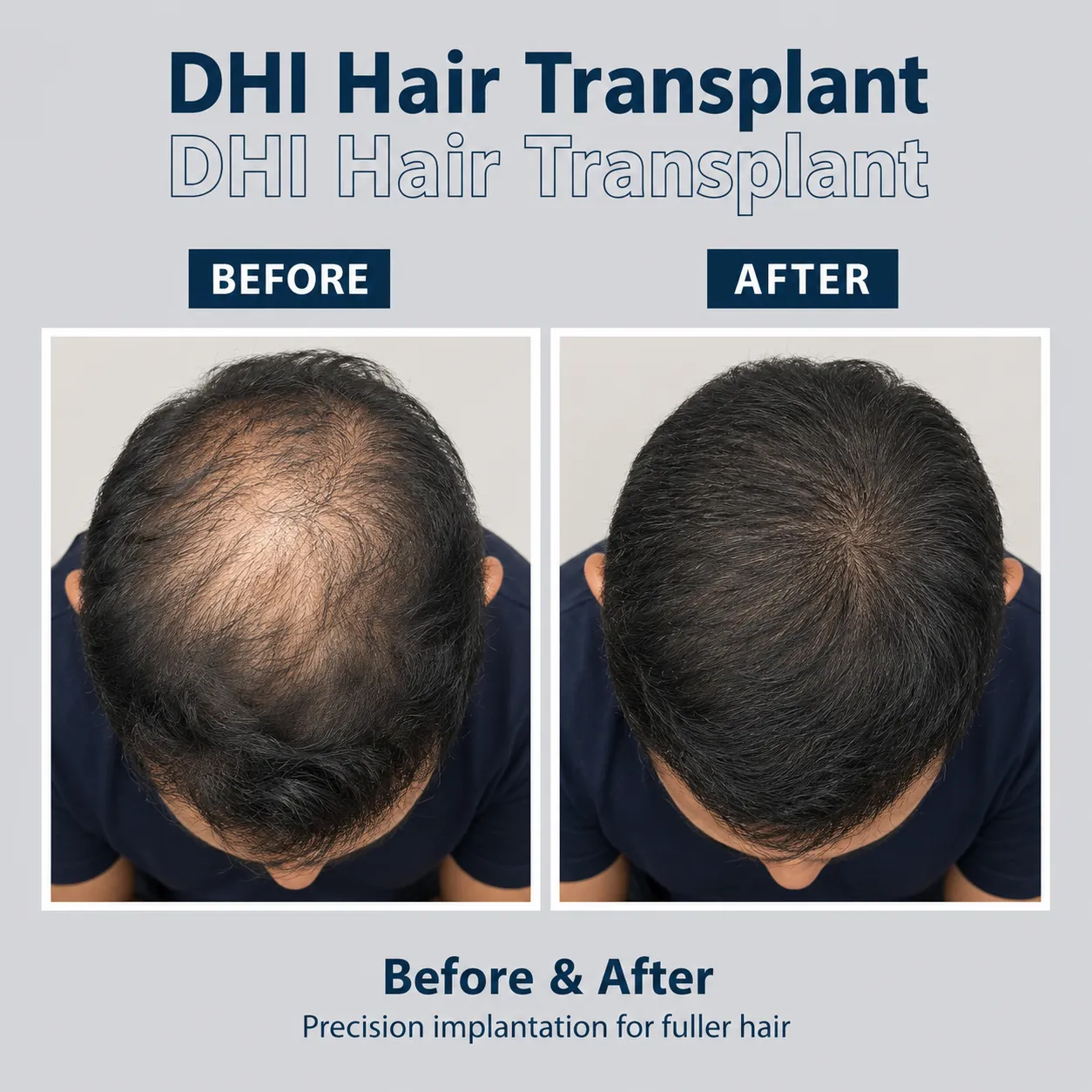
DHI hair transplant is a surgical hair-restoration approach in which individual follicular units are usually harvested from a donor area using FUE and then implanted into planned areas of hair loss with an implanter device. The technique allows the surgeon to control graft placement, direction and distribution according to the treatment plan. DHI is commonly promoted as a separate hair-transplant technique, but medically it is more accurately considered an implantation method used as part of follicular-unit hair transplantation. Suitability depends on the cause and pattern of hair loss, donor-hair availability, scalp health and the patient's long-term hair-loss pattern.

Duration
Commonly 4 to 8 hours depending on graft numbers and treatment area
Downtime
Visible redness, swelling or scabbing may last around 7 to 14 days
Hair Procedures

Hair Booster Injection

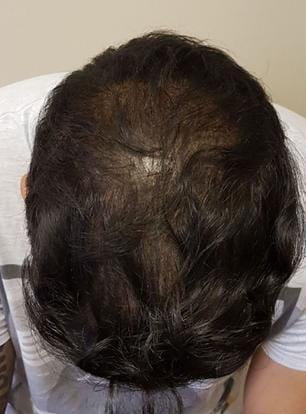
Hair Booster Injection is a general term used for injectable scalp treatments designed to deliver selected ingredients directly into areas of thinning hair. Depending on the specific product or protocol, a hair booster may contain vitamins, amino acids, peptides, hyaluronic acid, antioxidants or other compounds intended to support scalp and hair-follicle health. “Hair booster” is not one standardized medical treatment. Different clinics and manufacturers use different formulations, concentrations and injection protocols. Some scalp-injection approaches have shown potential benefit in androgenetic alopecia, but evidence varies considerably according to the ingredients used. Diagnosis of the cause of hair loss should therefore come before treatment.

Duration
Commonly around 30 to 60 minutes
Downtime
Mild redness, tenderness, swelling or small bruises may occur for 1 to 3 days
Hair Procedures

Hair Cleansing Treatment

Hair Cleansing Treatment is a professional scalp and hair-care procedure designed to remove excess oil, dead skin cells, sweat, styling-product residue and other superficial buildup from the scalp and hair. Depending on the scalp condition, treatment may involve cleansing shampoos, gentle scalp exfoliation, massage, hydration or selected scalp-care products. Hair cleansing should primarily be considered a scalp-hygiene and maintenance treatment rather than a treatment for hair loss or a cure for dandruff. Persistent itching, heavy scaling, redness, sores or significant hair shedding may indicate seborrheic dermatitis, psoriasis, eczema, infection or another scalp condition that requires medical assessment.

Duration
Commonly around 30 to 60 minutes depending on hair length, scalp condition and treatment protocol
Downtime
Usually none; temporary scalp sensitivity or dryness can occasionally occur
Hair Procedures

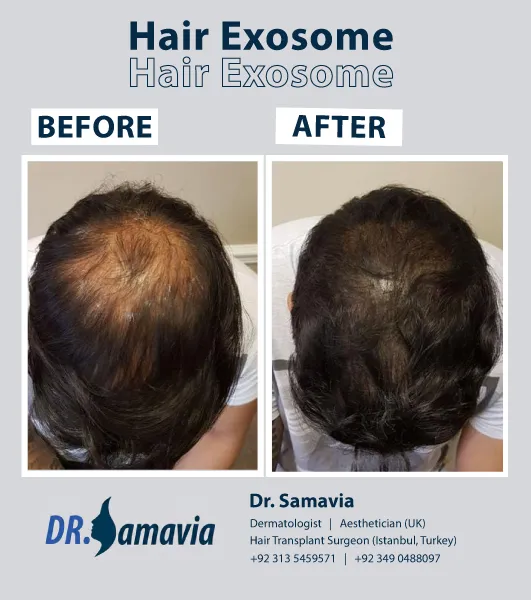
Hair Exosome Treatment

Hair Exosome Treatment is an emerging regenerative approach in which exosome-containing products are applied or delivered to selected areas of the scalp with the aim of supporting existing hair follicles and improving hair-growth parameters. Exosomes are very small extracellular vesicles released by cells that can carry proteins, lipids and genetic signalling material involved in cell-to-cell communication. Early human studies have reported improvements in hair density or thickness in some patients, particularly those with androgenetic alopecia. However, the evidence remains preliminary. Exosome sources, manufacturing methods, concentrations, delivery techniques and treatment schedules vary substantially, and long-term safety and effectiveness have not yet been established. A 2025 systematic review found encouraging results but emphasized small studies, heterogeneous protocols and the need for larger high-quality randomized trials.

Duration
Commonly around 30 to 60 minutes depending on the delivery method and treatment area
Downtime
Mild redness, tenderness or swelling may occur for approximately 1 to 3 days depending on the procedure
Hair Procedures

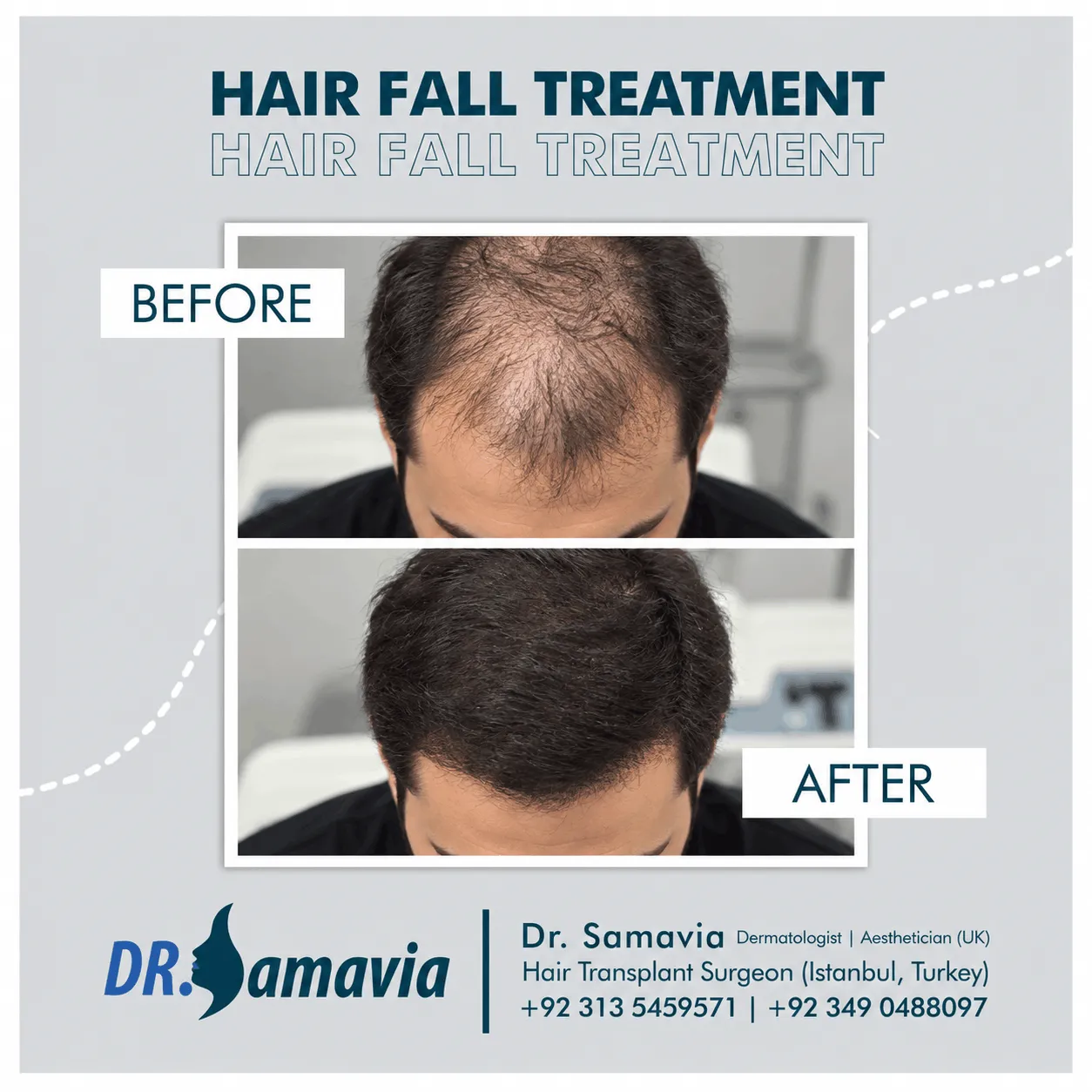
Hair Fall Treatment

Hair Fall Treatment is a personalised approach used to identify the cause of excessive hair shedding, progressive thinning or patchy hair loss and select treatment according to the diagnosis. Hair fall is a symptom rather than a single disease, and possible causes include androgenetic alopecia, telogen effluvium, alopecia areata, nutritional deficiencies, thyroid disorders, scalp disease, medications and certain scarring alopecias. Some daily shedding is normal. The NHS notes that losing approximately 50 to 100 hairs per day can occur as part of the normal hair-growth cycle. Concern becomes greater when shedding noticeably increases, the scalp becomes more visible, the hairline recedes, bald patches develop or hair density progressively decreases.

Duration
Initial assessment commonly takes around 20 to 40 minutes; treatment duration depends on the cause
Downtime
Usually none for medical treatment; PRP, PRF, microneedling or other procedures may cause temporary redness or tenderness
Hair Procedures

Hair Scan

Hair Scan is a non-invasive digital assessment of the scalp and hair that uses magnification, dermoscopy or video-trichoscopy to examine hair shafts, follicular openings, hair-density patterns and visible scalp changes in greater detail than is possible with the naked eye. A Hair Scan can help support assessment of concerns such as pattern hair loss, excessive shedding, patchy hair loss, scalp scaling and selected hair-shaft abnormalities. It is an assessment tool rather than a treatment, and scan findings should be interpreted together with medical history and clinical examination. Blood tests, fungal testing or scalp biopsy may still be required when clinically indicated. Trichoscopy is recognised as a useful non-invasive technique for evaluating hair and scalp disorders.

Duration
Commonly around 20 to 40 minutes depending on the extent of assessment
Downtime
None
Hair Procedures

Hair Transplant

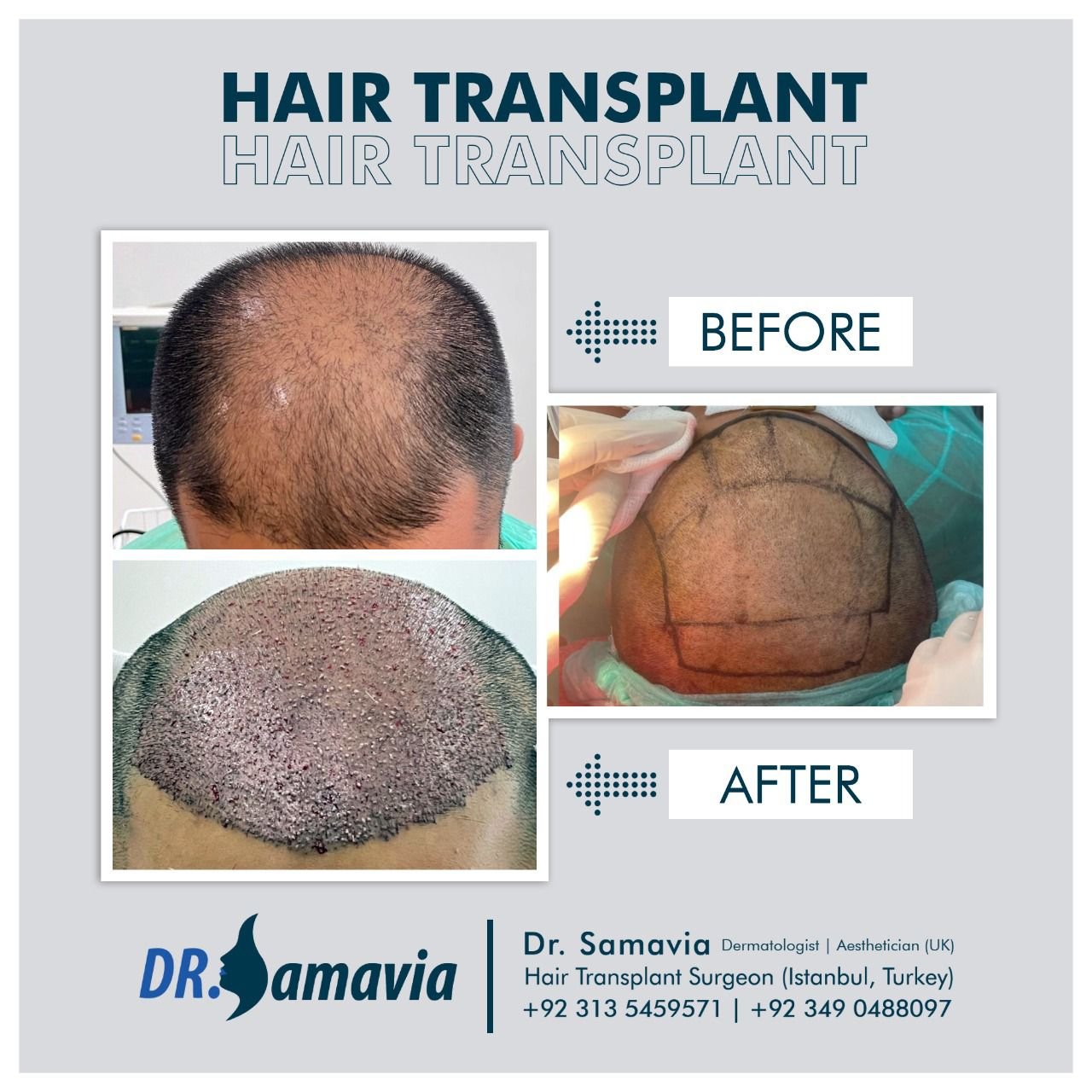
Hair transplant is a surgical hair-restoration procedure in which healthy follicular units are moved from a suitable donor area—usually the back or sides of the scalp—to areas affected by permanent hair loss. Modern transplantation primarily uses two donor-harvesting approaches: Follicular Unit Excision (FUE) and Follicular Unit Transplantation using strip/linear excision (FUT). Hair transplantation is most commonly performed for androgenetic alopecia, also known as male or female pattern hair loss. Results depend on correct diagnosis, donor-hair availability, hair characteristics, surgical planning, graft handling and the patient's future pattern of hair loss.

Duration
Commonly around 4 to 8 hours; larger procedures may require longer or more than one session
Downtime
Redness, swelling and scabbing commonly occur for approximately 1 to 2 weeks
Hair Procedures

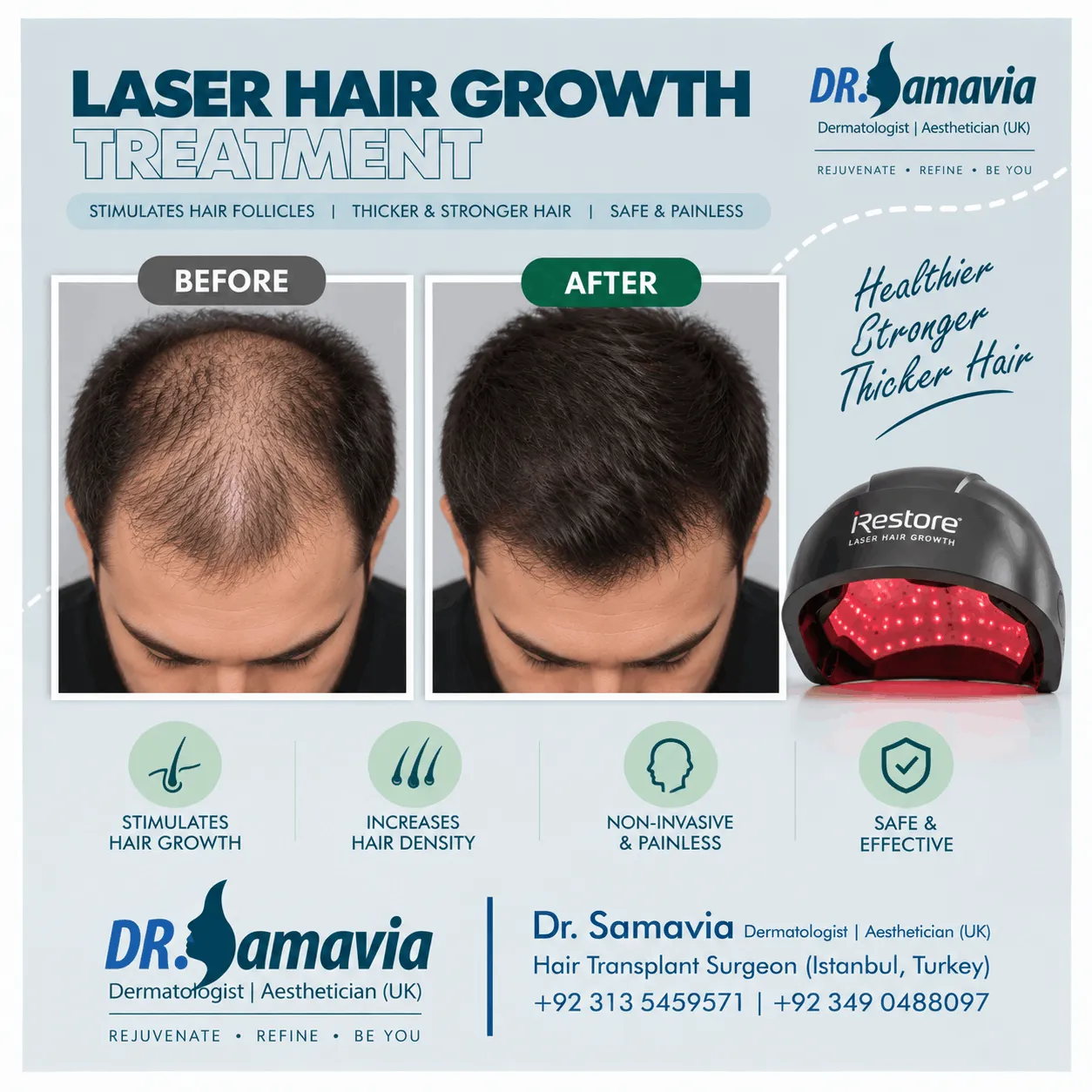
Laser Hair Growth Treatment

Laser Hair Growth Treatment uses low-level red-light or laser energy applied to the scalp with the aim of supporting existing hair follicles and promoting hair growth in selected patients. The technique is commonly referred to as Low-Level Laser Therapy (LLLT) or low-level light therapy and may be delivered through specialised caps, helmets, combs or clinical devices. Clinical studies suggest that repeated low-level laser or LED therapy can improve hair density in some men and women with androgenetic alopecia. It is a non-surgical treatment, but results develop gradually and vary between individuals. Laser hair growth treatment does not create new follicles and should not replace diagnosis of the underlying cause of hair loss.

Duration
Commonly around 15 to 30 minutes per session, depending on the device and protocol
Downtime
Usually none
Hair Procedures

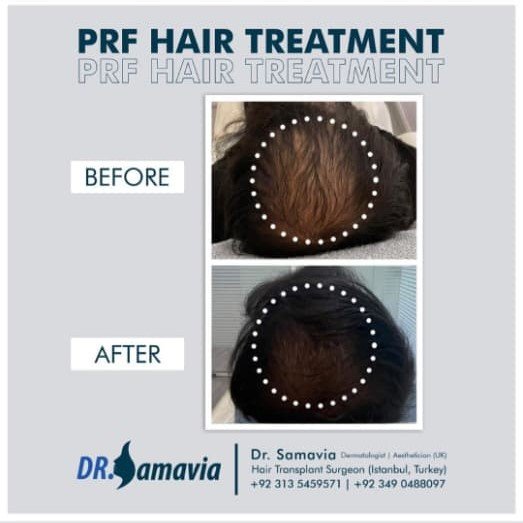
PRF Hair Treatment

PRF hair treatment uses a concentrated preparation made from a patient's own blood and injects it into selected areas of the scalp. PRF, or Platelet-Rich Fibrin, contains platelets, fibrin and naturally occurring signalling proteins that are being studied for their potential role in supporting hair-follicle activity. Early clinical studies suggest injectable PRF may improve hair density or related hair-growth measurements in some patients with androgenetic alopecia. However, PRF is newer and less extensively studied than PRP, preparation protocols vary, and larger controlled studies are still needed. Diagnosis of the cause of hair loss should therefore come before treatment.

Duration
Commonly around 30 to 60 minutes
Downtime
Mild scalp tenderness, redness or swelling may occur for 1 to 2 days
Hair Procedures

PRP Hair Treatment

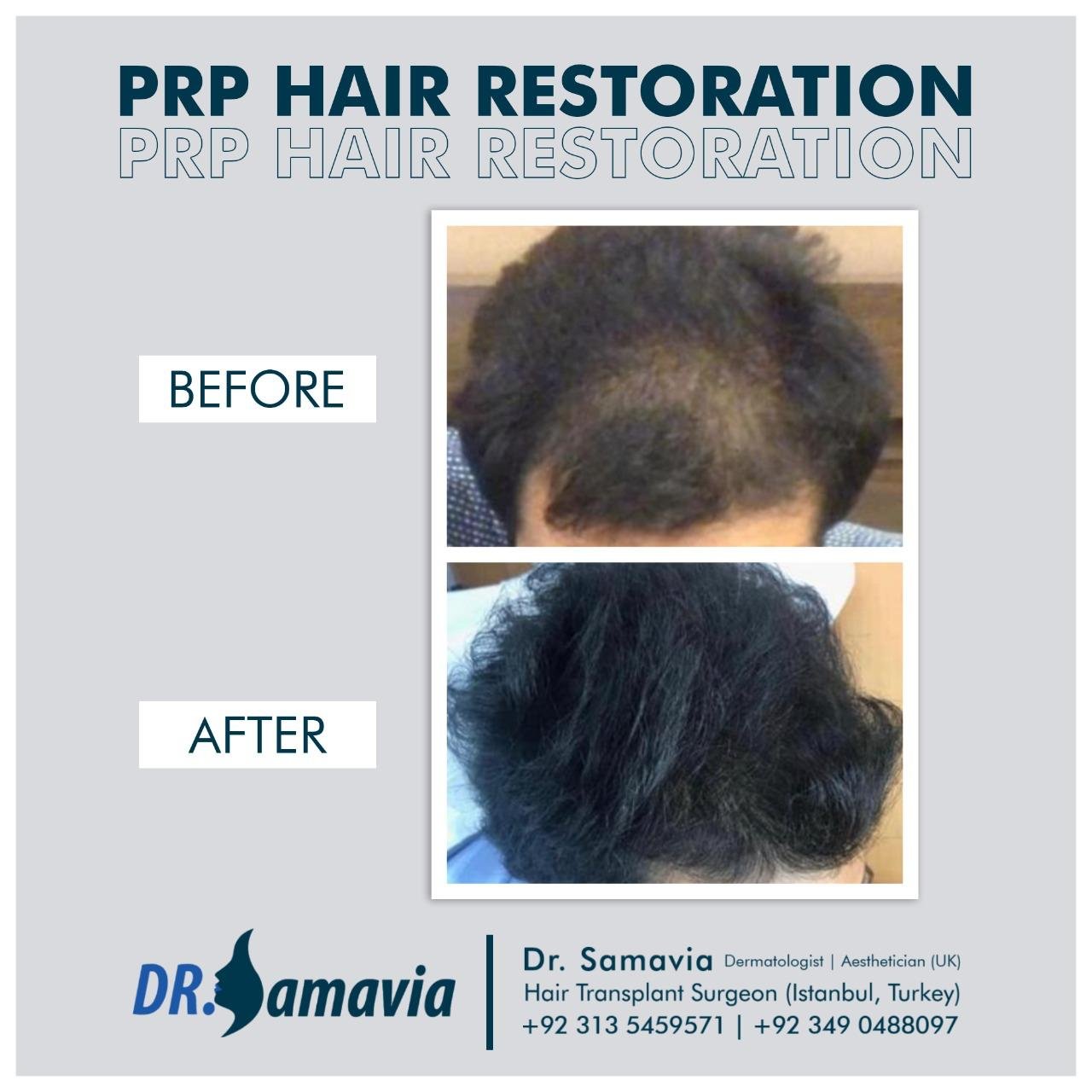
PRP hair treatment separates platelet-rich plasma from a small blood sample and injects it into selected scalp areas. Research suggests possible improvement in hair density for some patients with androgenetic alopecia, but studies use different protocols and evidence quality is limited. Diagnosis and baseline assessment should come before treatment.

Duration
Commonly 45 to 60 minutes
Downtime
Scalp tenderness or redness for 1 to 2 days
Hair Procedures

Scalp Micropigmentation

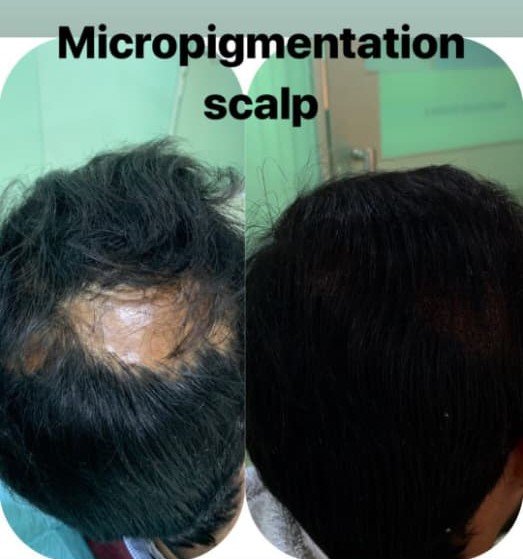
Scalp Micropigmentation (SMP) is a non-surgical cosmetic camouflage procedure in which tiny deposits of pigment are placed into the superficial scalp to create the appearance of closely shaved hair follicles or reduce the visible contrast between thinning hair and the scalp. It may be considered for male or female pattern hair loss, areas of reduced density and selected scalp scars. SMP does not stimulate hair growth or create new hair follicles. Its purpose is visual camouflage. Results depend on appropriate diagnosis, hair-loss pattern, skin type, pigment selection, hairline design and implantation technique. Published studies report good cosmetic satisfaction in selected patients, although standardized protocols and long-term evidence remain limited.

Duration
Commonly around 2 to 4 hours per session depending on the treatment area
Downtime
Redness and mild tenderness commonly settle within a few days
Patient journey

What happens before treatment?

01

Consultation

Discuss the concern, history, medication, previous procedures and expected result.

02

Suitability and consent

Compare likely benefit, limitations, relevant risks, alternatives and recovery.

03

Treatment and review

Follow procedure-specific preparation, aftercare and review guidance.

Safety and suitability

Tell the clinic about active infection, pregnancy or breastfeeding, allergies, medicines and supplements, previous treatment reactions, unusual scarring and pigment change. This list is not exhaustive; individual screening depends on the procedure.

Clinical references

  1. Hair loss: diagnosis and treatmentAmerican Academy of Dermatology · accessed 27 August 2026
  2. Hair transplantNHS · accessed 27 August 2026
Questions

Hair Procedures FAQs

How is a Hair Procedures treatment selected?

Selection depends on the concern, examination, medical history, previous treatments, expected downtime and realistic goals. A consultation may conclude that a different treatment or no procedure is the better option.

Are results guaranteed?

No. Response and recovery vary between people. The consultation should explain the likely range of improvement, limitations and factors that can change the outcome.

How many sessions will I need?

The number depends on the diagnosis, procedure and response. Some treatments are single-session procedures while others require a course and maintenance. The individual service guide gives more specific context.

What should I disclose before treatment?

Share your medical conditions, pregnancy or breastfeeding status, allergies, current medicines and supplements, previous procedures, active infection and history of unusual scarring or pigment change.

Begin with a hair-loss assessment

Identify the likely cause and compare medical, supportive and surgical options.

Book consultationCall 051-2726601