Consultation-led care

Skin, Hair and Aesthetic Treatments in Islamabad

Dr Samavia Clinic provides assessment-led skin, hair, injectable, laser and body treatments in Islamabad. Each service guide explains what the treatment may address, how it works, expected recovery, important limitations and risks before you decide whether to book.

Book a consultationContact the clinic

Treatment categories

Browse every service

Compare treatments within each category and open the complete guide for procedure-specific information.

Treatment category

Body & Skin Procedures

Compare non-surgical body and skin procedures, their limitations, recovery and suitability at Dr Samavia Clinic.

View category
Body & Skin Procedures

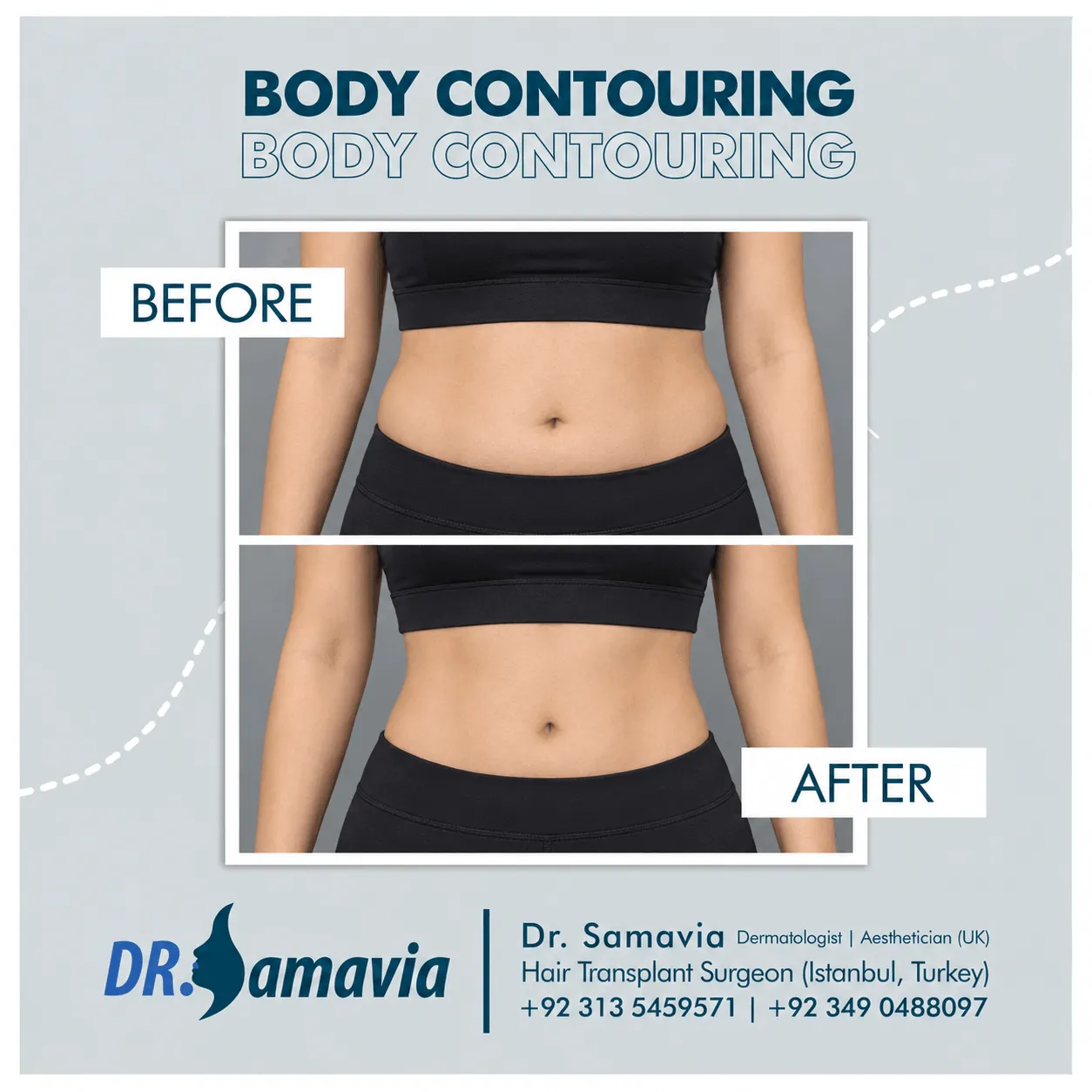
Body Contouring

Body Contouring refers to aesthetic treatments designed to reshape or improve the appearance of selected areas of the body. Non-surgical body contouring may use controlled cooling, radiofrequency energy, ultrasound or other device-based technologies to reduce small areas of unwanted fat, improve selected skin laxity or temporarily improve the appearance of cellulite. Body Contouring is not a weight-loss treatment or treatment for obesity. Non-invasive procedures are generally best suited to patients who are relatively close to a stable body weight but have localised areas of fat or contour concerns that remain despite diet and exercise. Patients with substantial excess fat, significant loose skin or major post-weight-loss skin excess may require surgical procedures such as liposuction, abdominoplasty or body lift instead.

Duration
Commonly around 30 to 90 minutes per area for many non-surgical treatments; duration varies by technology and treatment area
Downtime
Often minimal; temporary redness, swelling, tenderness, bruising or altered sensation can occur
Body & Skin Procedures

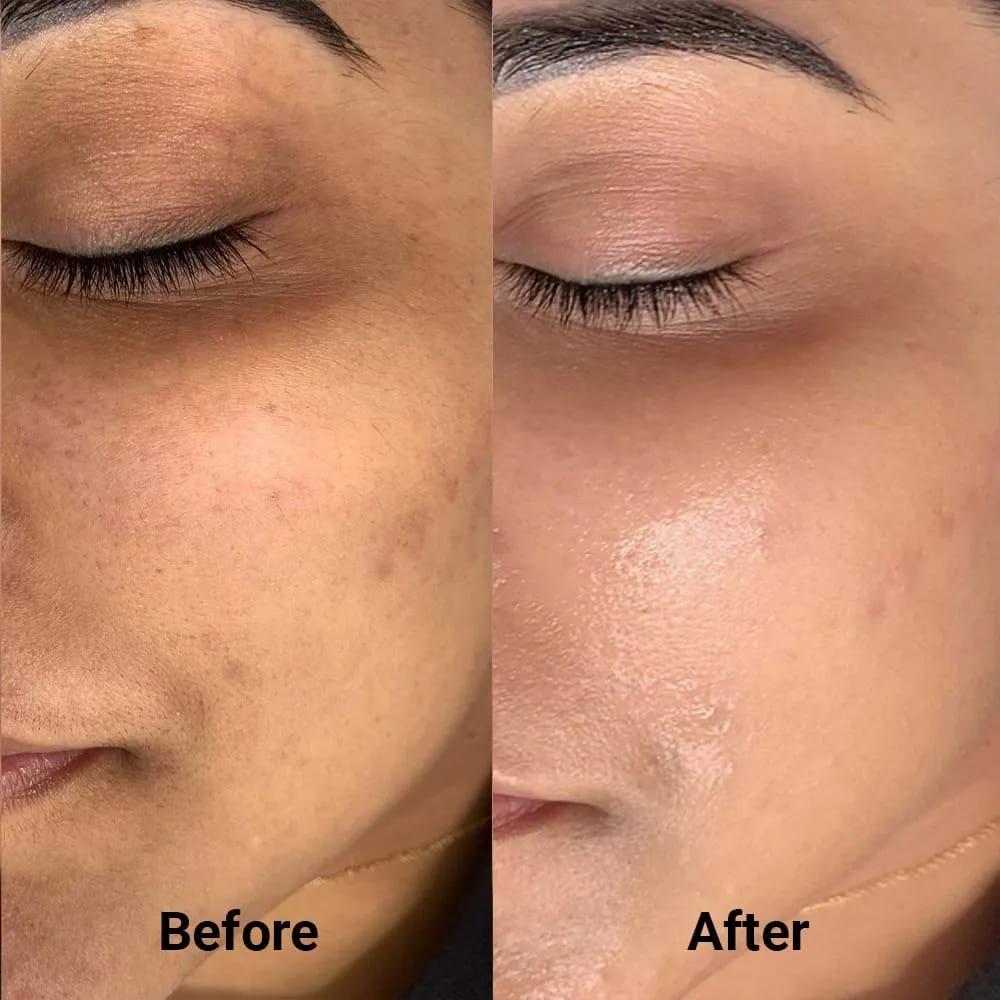
Chemical Peel

A Chemical Peel is a skin-resurfacing treatment in which a controlled chemical solution is applied to the skin to remove damaged surface layers and stimulate renewal. Depending on the formulation and depth, chemical peels may improve acne, post-acne pigmentation, uneven skin tone, sun damage, rough texture, fine lines and selected superficial scars. Chemical peels range from light or superficial peels with relatively little downtime to medium and deep peels that penetrate further into the skin and require substantially more recovery. The appropriate peel should be selected according to the patient's skin tone, diagnosis, treatment area and risk of pigmentation or scarring rather than simply choosing the strongest available acid.

Duration
Commonly around 20 to 45 minutes; deeper peels may require longer treatment and monitoring
Downtime
Approximately 1 to 7 days for many superficial peels, 7 to 14 days for medium peels, and 2 weeks or longer for deep peels
Body & Skin Procedures

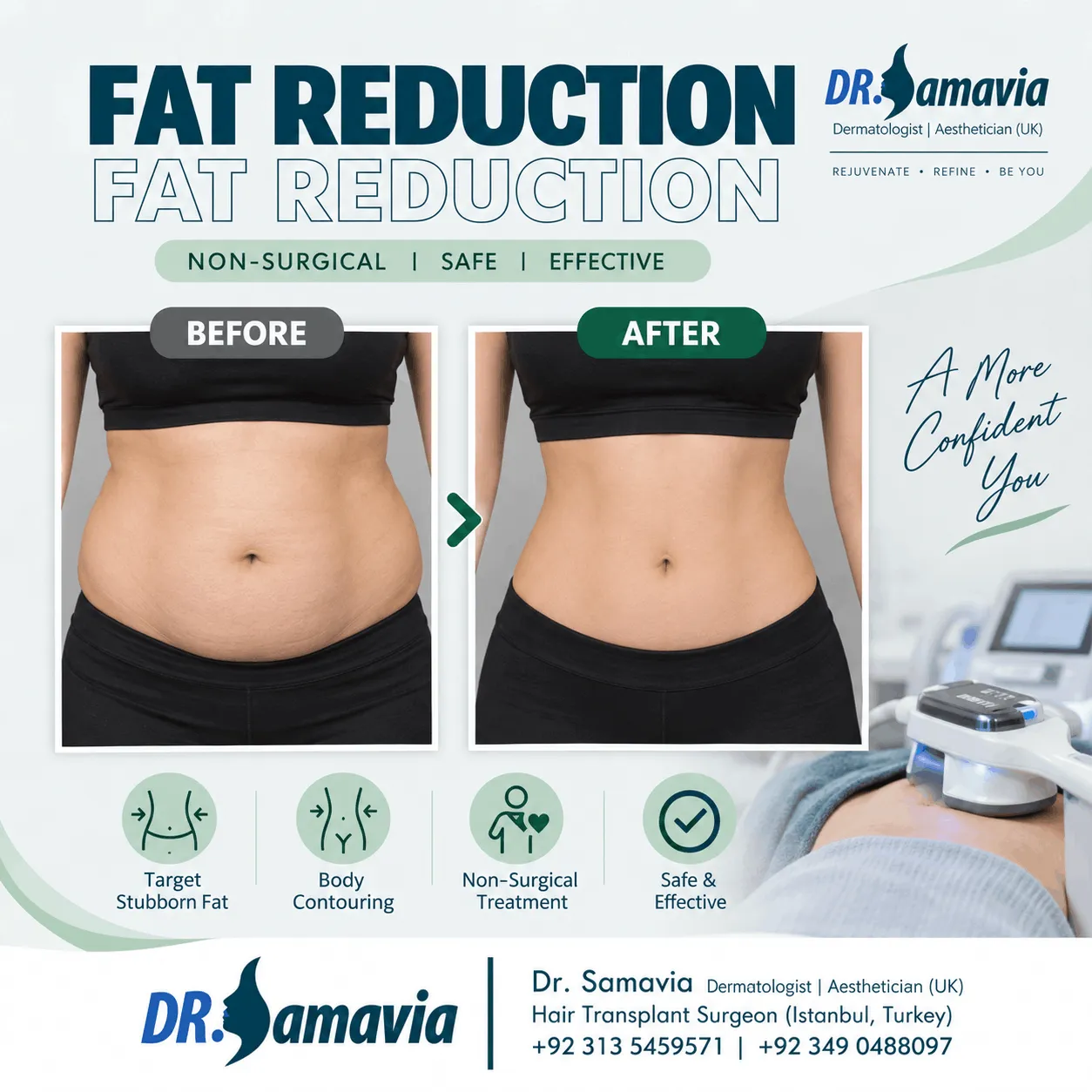
Fat Reduction

Fat Reduction refers to aesthetic treatments designed to reduce small, localised deposits of subcutaneous fat and improve body contour without necessarily requiring surgery. Non-surgical fat-reduction technologies may use controlled cooling, radiofrequency heat, ultrasound or selected laser-based energy to damage fat cells, which are then gradually cleared by the body. Fat Reduction should not be confused with medical weight loss. Non-invasive body-contouring treatments are intended for selected fat bulges rather than obesity and generally do not produce meaningful changes in overall body weight. The U.S. FDA specifically states that non-invasive body contouring does not treat obesity or provide the health benefits associated with weight loss.

Duration
Commonly around 30 to 90 minutes per treatment area depending on the technology
Downtime
Often minimal; temporary redness, swelling, bruising, tenderness or altered sensation can occur
Body & Skin Procedures

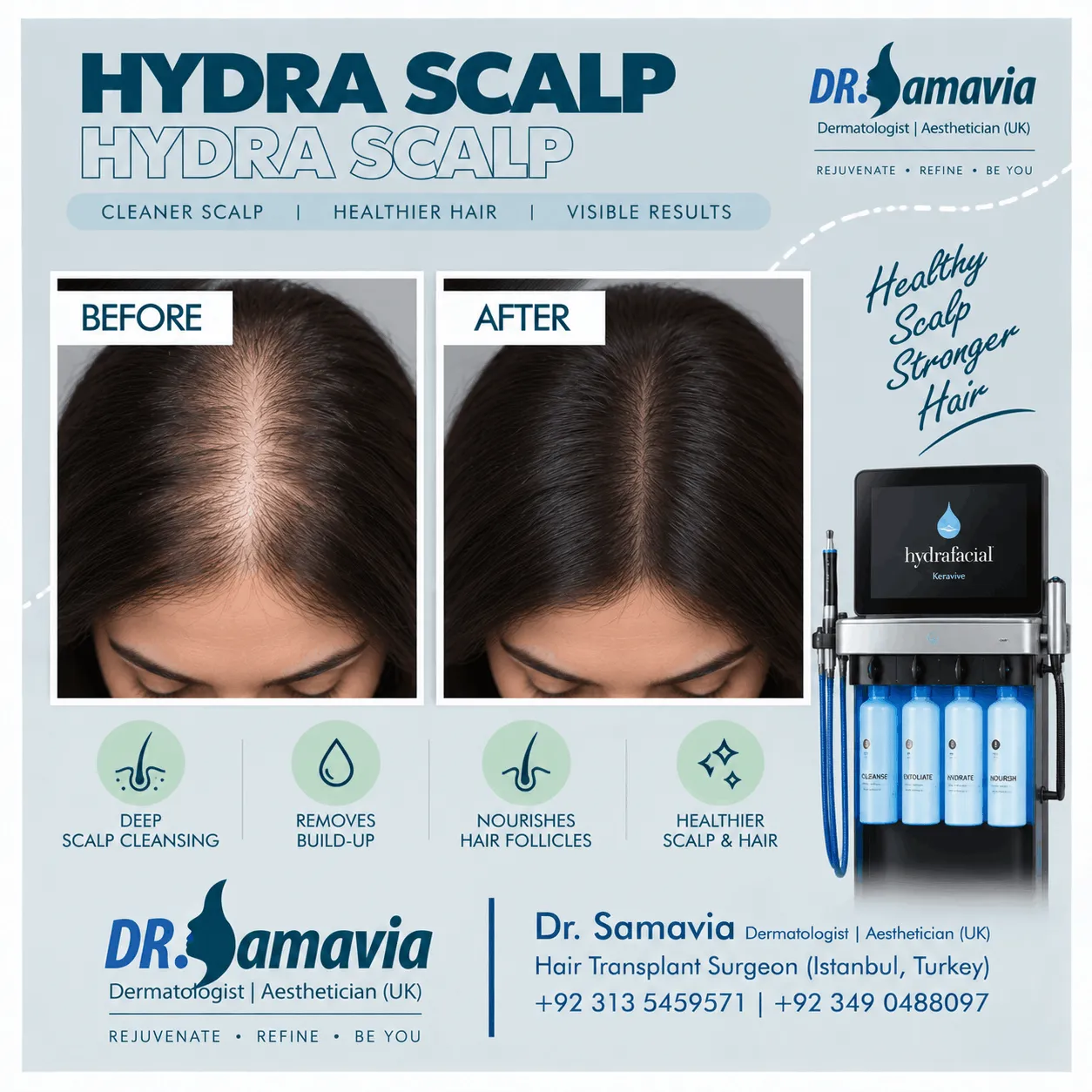
Hydra Scalp

Hydra Scalp Treatment is a non-surgical scalp-care procedure designed to cleanse, exfoliate and hydrate the scalp while removing excess oil, dead skin cells and product buildup. Some systems also apply peptide- and nutrient-containing serums after cleansing to support scalp condition and healthier-looking hair. One branded form is HydraScalp with Keravive, which uses suction-based cleansing and exfoliation followed by application of a peptide scalp solution. Hydra Scalp treatment should primarily be considered a scalp-health and cosmetic hair-quality treatment rather than a proven treatment for permanent hair loss. People experiencing significant or unexplained hair shedding should have the underlying cause assessed before treatment.

Duration
Commonly around 30 to 60 minutes depending on whether a partial or full scalp is treated
Downtime
Varies by procedure and individual response
Body & Skin Procedures

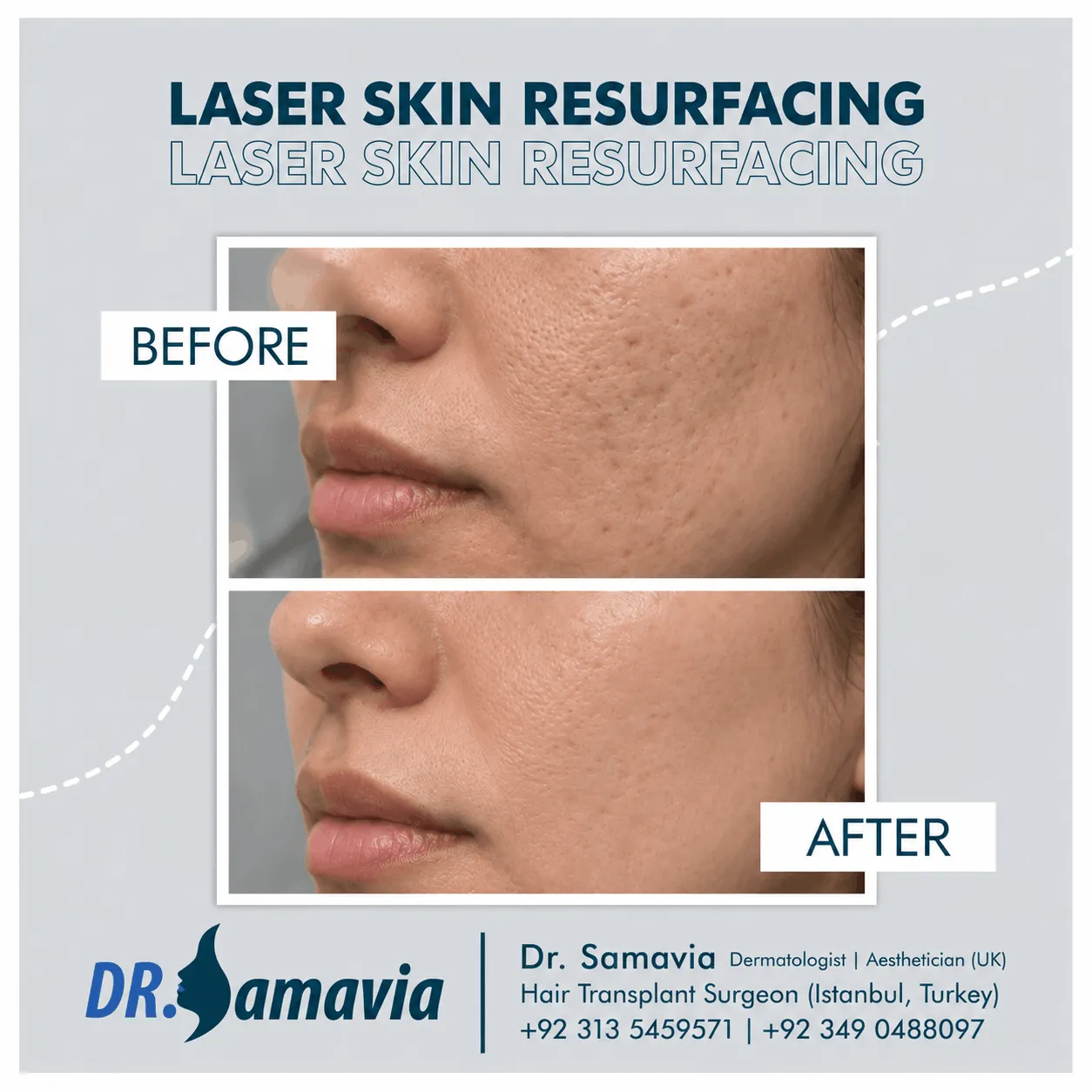
Laser Skin Resurfacing

Laser Skin Resurfacing is an aesthetic skin treatment that uses controlled laser energy to improve selected concerns such as fine lines, sun damage, uneven texture, age spots and certain acne scars. Depending on the technology, the laser may remove microscopic portions of damaged surface skin, heat deeper tissue to stimulate collagen remodelling, or combine both effects. Laser resurfacing ranges from relatively gentle non-ablative fractional treatments with limited downtime to more intensive ablative CO2 or Er resurfacing that produces greater skin injury and a longer recovery period. The correct laser, depth and energy settings should be selected according to the patient's skin tone, concern and tolerance for downtime because overly aggressive treatment can cause burns, prolonged redness, pigmentation changes, infection or scarring.

Duration
Commonly around 30 minutes to 2 hours depending on the laser, treatment area and intensity
Downtime
From several hours or a few days with gentler non-ablative treatments to approximately 1 to 2 weeks or longer after ablative resurfacing
Body & Skin Procedures

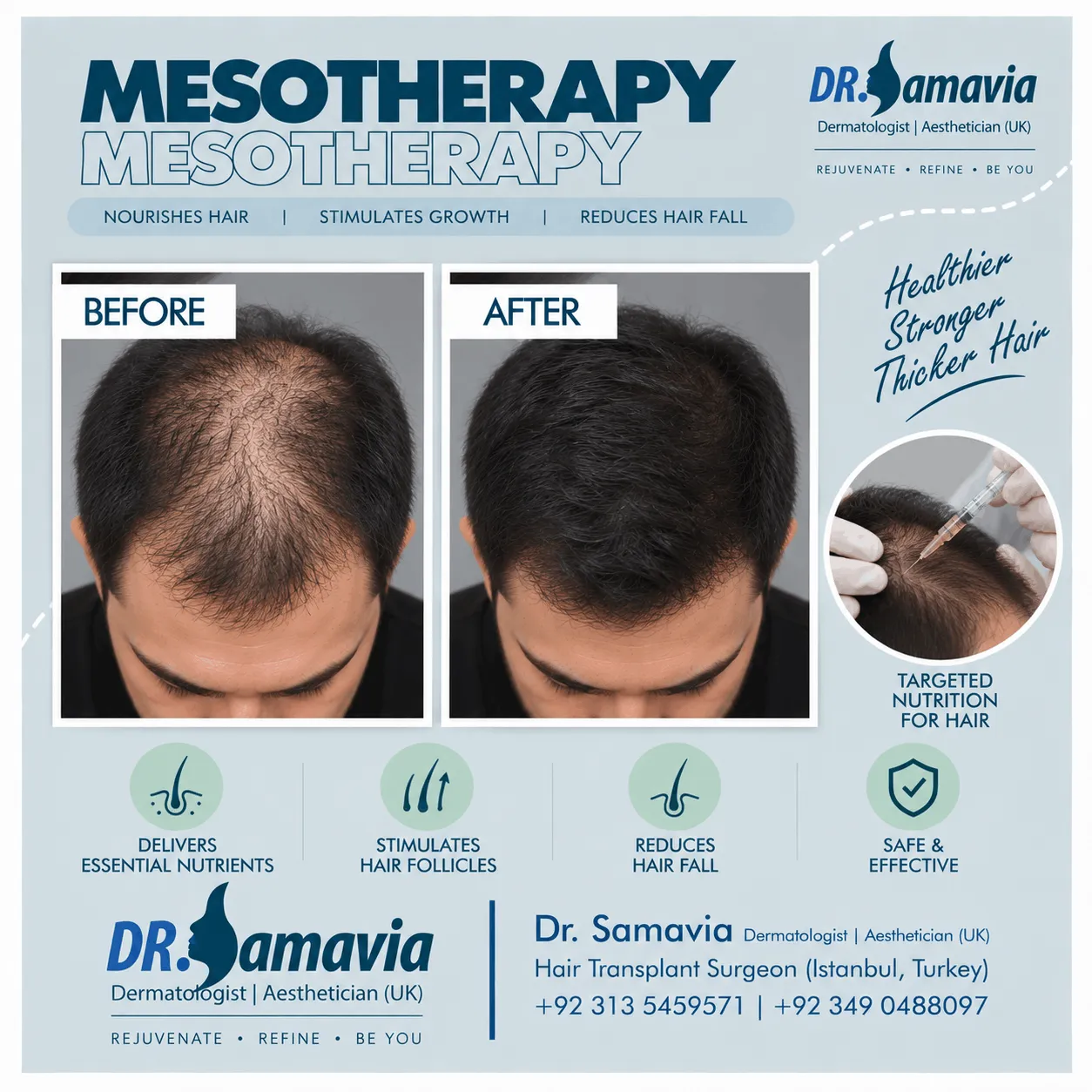
Mesotherapy

Mesotherapy is a minimally invasive technique in which small quantities of selected substances are injected into the superficial or middle layers of the skin. Depending on the treatment goal, formulations may include medicines, vitamins, amino acids, hyaluronic acid, antioxidants or other compounds. Mesotherapy is used in aesthetic practice for concerns such as skin quality, pigmentation and hair thinning, but it is not one standardized treatment. The ingredients, injection depth, dose and treatment schedule can differ substantially between protocols. Evidence also varies according to the condition being treated, so assessment and appropriate product selection are important before treatment.

Duration
Commonly around 30 to 60 minutes
Downtime
Mild redness, swelling, tenderness or small bruises commonly settle within several days
Body & Skin Procedures

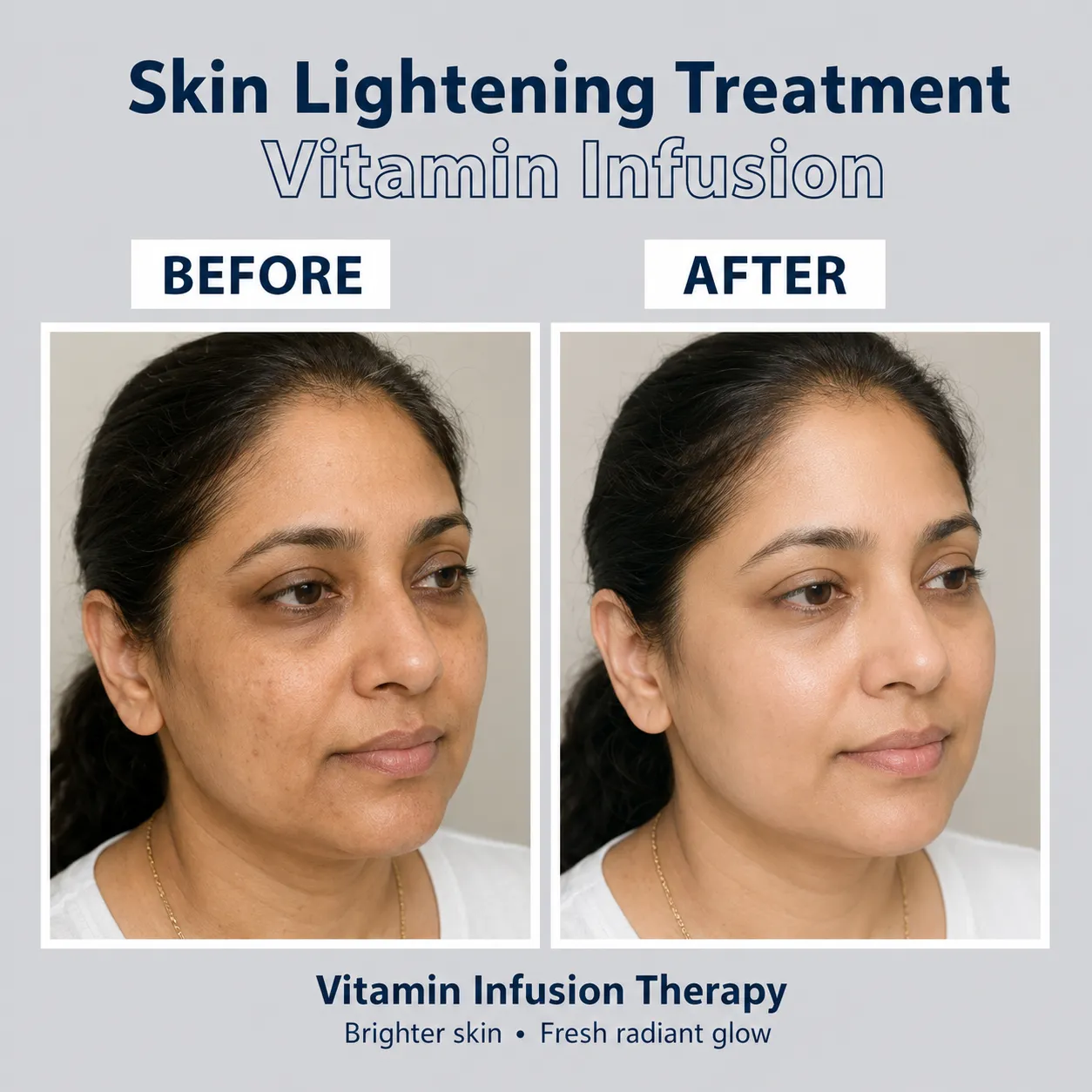
Skin Lightening Treatment Vitamin Infusion

Skin Lightening Treatment Vitamin Infusion is a term used for intravenous infusions marketed to support a brighter or more even-looking complexion. These infusions may contain ingredients such as vitamins, antioxidants and, in some protocols, glutathione. Evidence for cosmetic skin lightening from intravenous vitamin or glutathione infusions remains limited. There is no universally accepted IV formulation, dosage or treatment schedule for cosmetic skin lightening, and results cannot be guaranteed. A medical assessment is important before considering intravenous treatment because ingredients, doses, health conditions and potential risks vary between patients.

Duration
Commonly around 30 to 60 minutes depending on the prescribed infusion
Downtime
Varies by procedure and individual response
Body & Skin Procedures

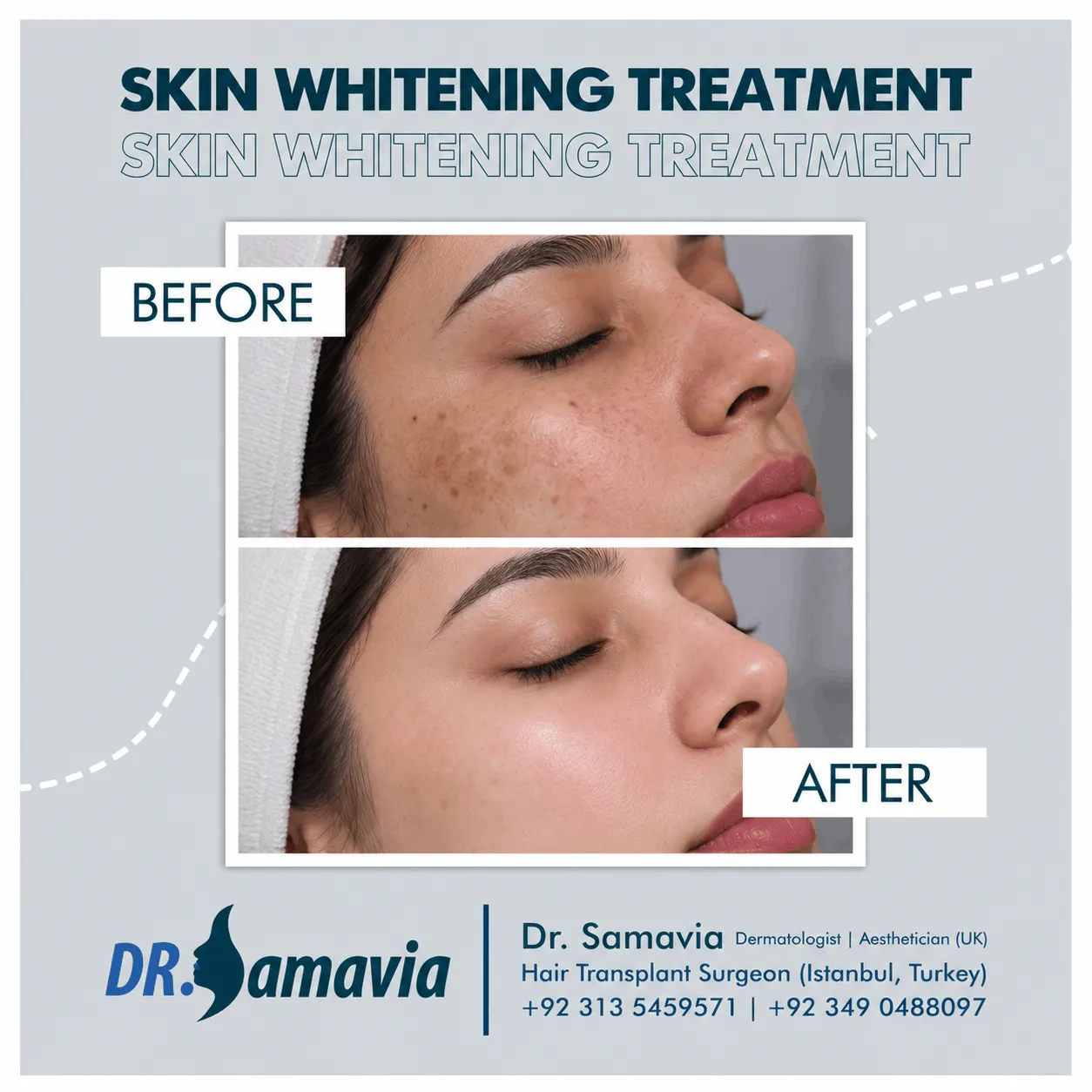
Skin Whitening Treatment

Skin Whitening Treatment is a broad term used for cosmetic and dermatological treatments intended to reduce excess pigmentation, improve uneven skin tone and create a brighter or more uniform complexion. A medically appropriate treatment plan should aim to bring areas of excess pigmentation closer to the patient's natural skin colour rather than promise permanent bleaching or an unnatural change in genetically determined skin tone. Treatment may involve sun protection, clinician-directed topical products, chemical peels, microneedling, laser or light-based procedures, or a combination of approaches. The correct treatment depends on whether the concern is melasma, post-inflammatory hyperpigmentation, sun damage, acne-related dark marks or another pigment disorder.

Duration
Commonly around 20 to 60 minutes for procedural treatments
Downtime
Varies by procedure and individual response
Body & Skin Procedures

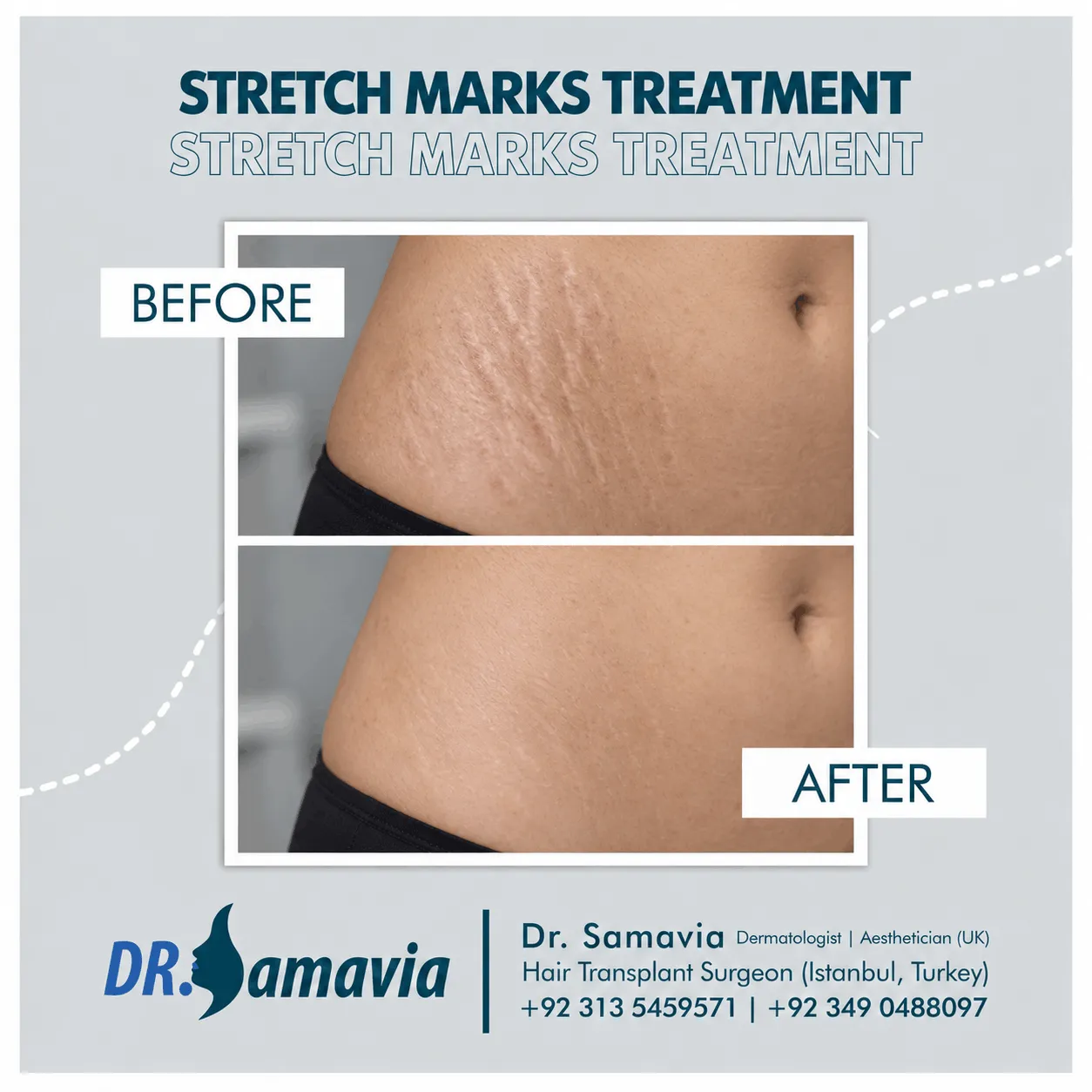
Stretch Marks Treatment

Stretch Marks Treatment refers to topical and procedural treatments designed to reduce the visibility, colour contrast and textural irregularity of stretch marks, medically known as striae distensae. Stretch marks are a form of dermal scarring that can develop when the skin stretches or changes rapidly, disrupting collagen and elastin within the supporting layers of the skin. Treatment can make stretch marks less noticeable, but complete removal cannot be guaranteed. Newer red, pink or purple stretch marks often respond differently from older white or silvery stretch marks, and the best treatment depends on their age, colour, location, skin type and depth.

Duration
Commonly around 30 to 60 minutes for procedural treatments, depending on the area
Downtime
Varies by procedure and individual response
Treatment category

Botox & Fillers

Compare botulinum toxin and dermal filler treatments, expected duration, limitations and risks before consultation in Islamabad.

View category
Botox & Fillers

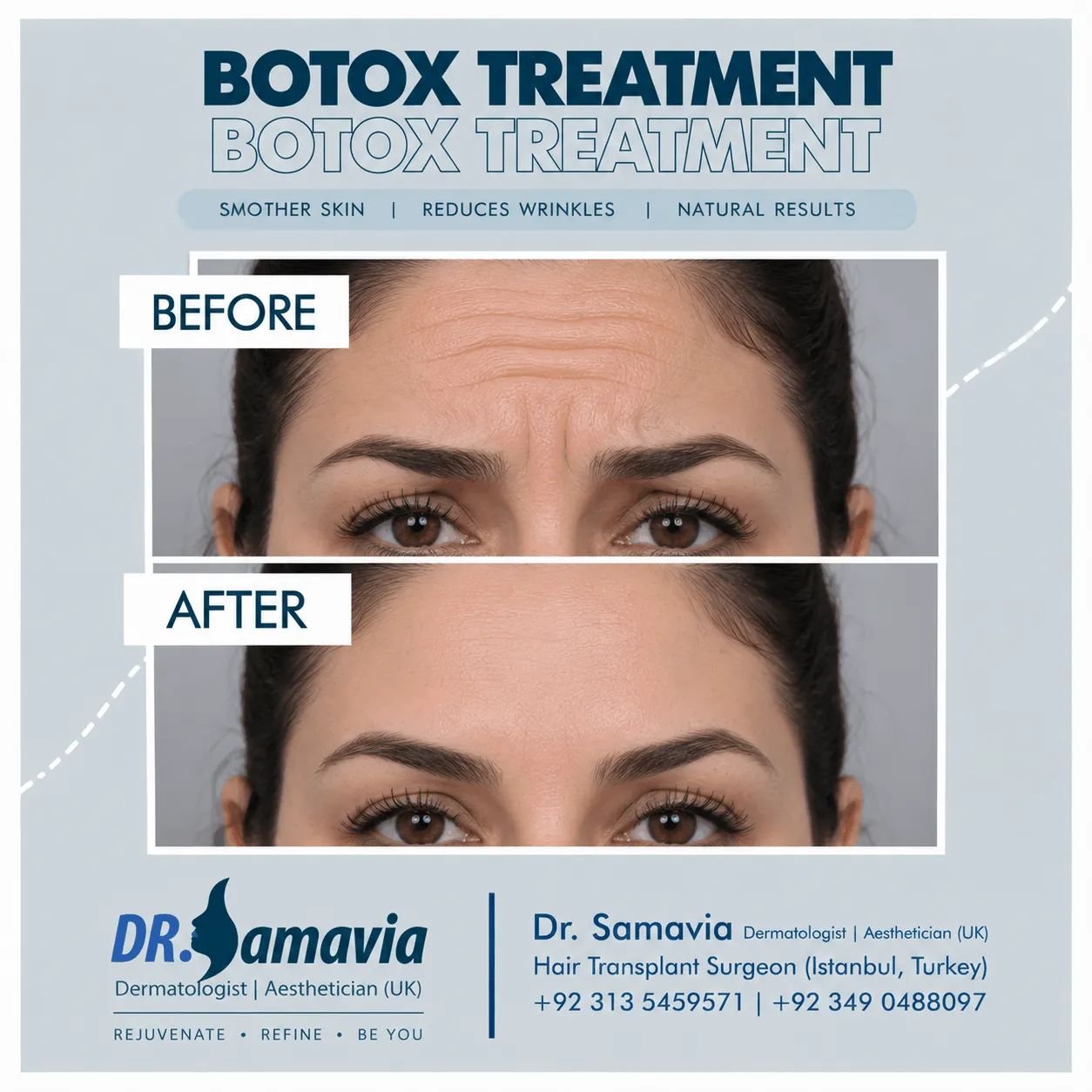
Botox Treatment

Botox treatment uses small, carefully placed injections of botulinum toxin to temporarily reduce activity in selected facial muscles. In cosmetic practice, it is commonly used to soften dynamic wrinkles—lines that become more noticeable when a person frowns, smiles, squints or raises the eyebrows. Botox® Cosmetic is a brand of onabotulinumtoxinA. Other botulinum toxin products also exist, but they are not identical and their potency units should not be considered interchangeable. Treatment should be individually planned according to facial anatomy, muscle strength, expression and the desired degree of movement reduction.

Duration
Commonly around 10 to 20 minutes depending on the number of areas treated
Downtime
Varies by procedure and individual response
Botox & Fillers

Dermal Fillers

Dermal fillers are injectable products used to restore or enhance volume, soften selected facial folds, improve contours and address certain age-related changes in the face. Different filler products have different compositions, properties and approved uses, so treatment should be selected according to facial anatomy, skin characteristics and the specific area being treated. Hyaluronic acid is one of the most commonly used temporary filler materials, while other products may contain calcium hydroxylapatite, poly-L-lactic acid or other substances. Results can be immediate or develop gradually depending on the product. Although dermal fillers are minimally invasive, they are medical procedures and carry uncommon but potentially serious risks, including accidental injection into a blood vessel.

Duration
Commonly around 20 to 60 minutes depending on the areas treated
Downtime
Varies by procedure and individual response
Botox & Fillers

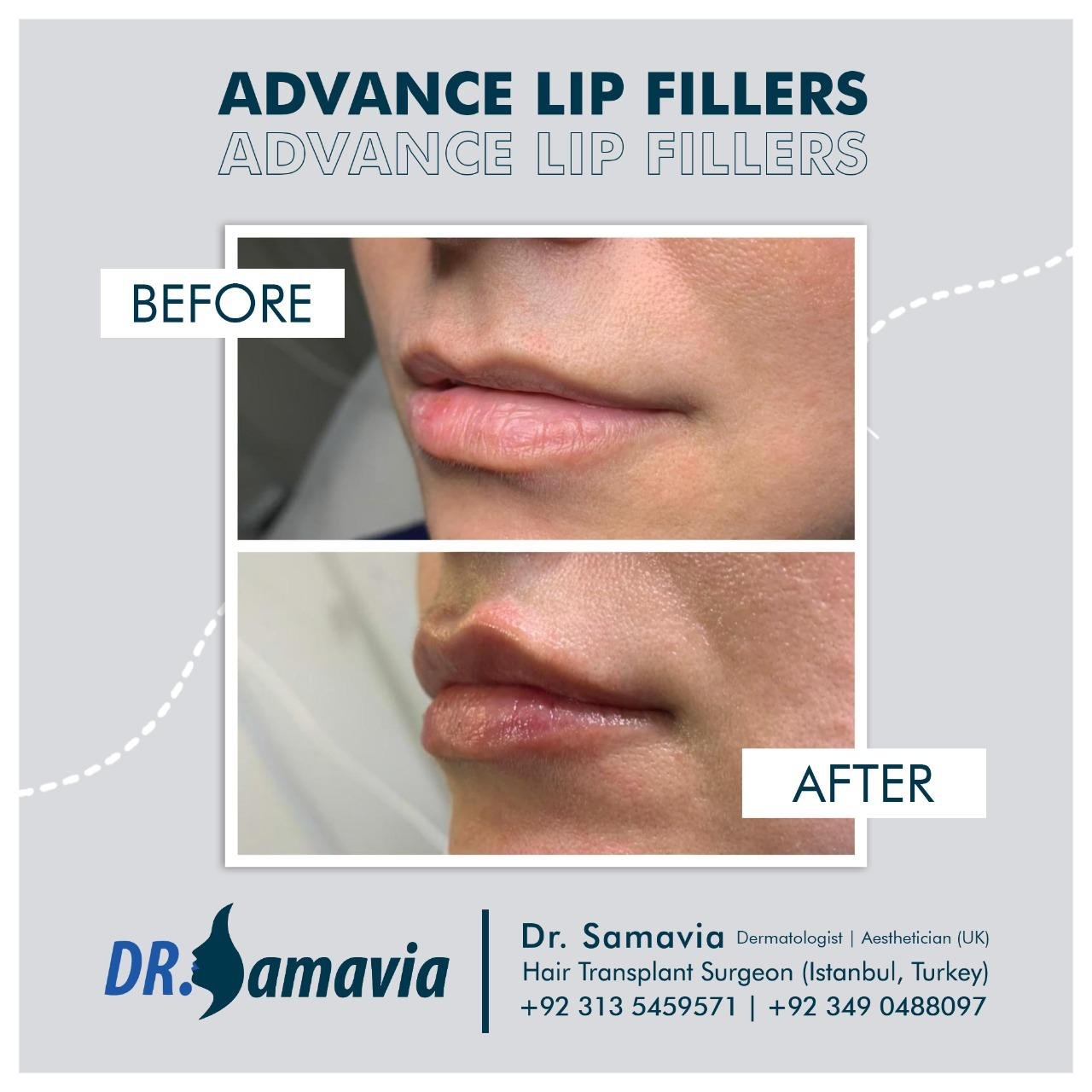
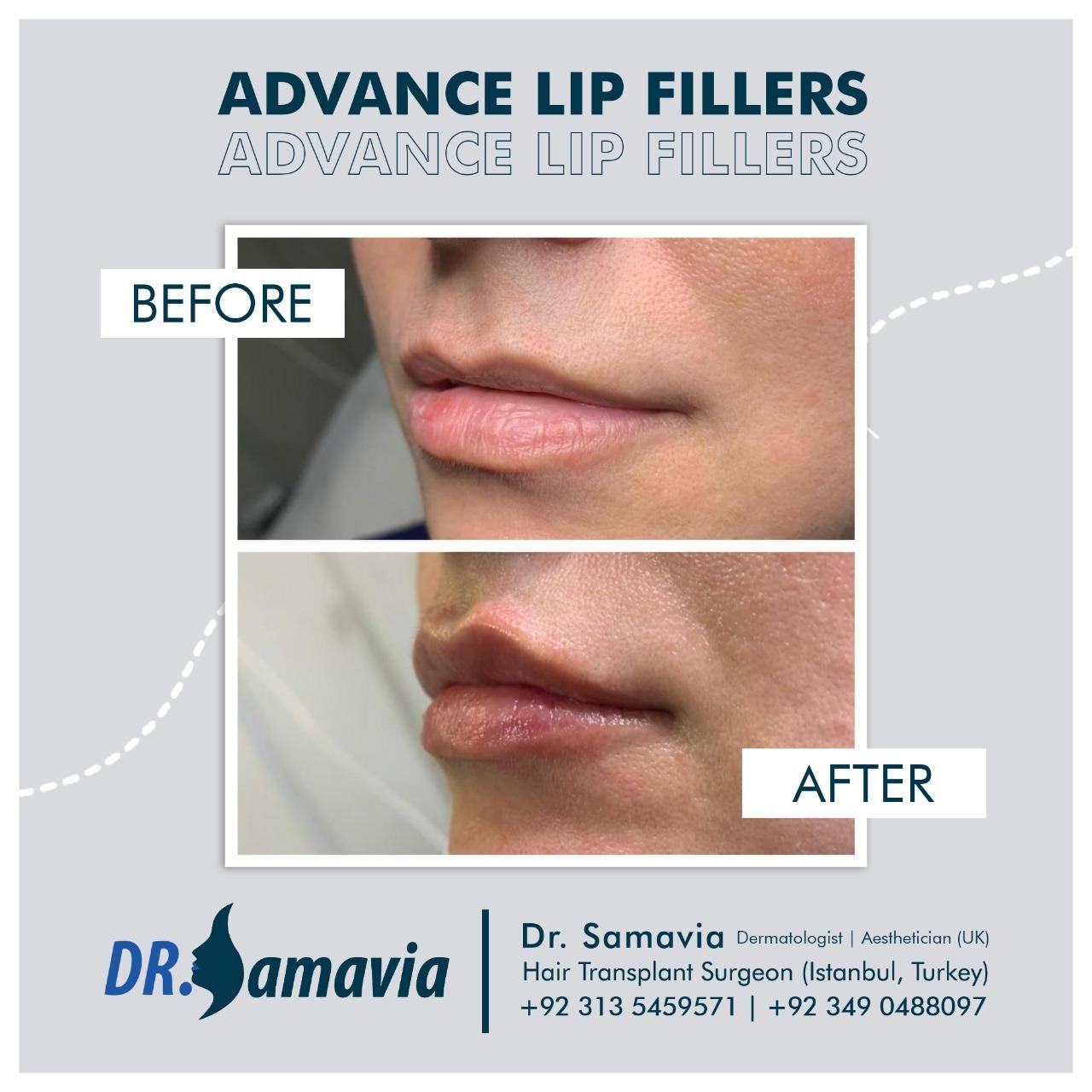
Lip Fillers

Lip fillers are injectable treatments used to increase lip volume, improve definition, enhance shape, correct selected asymmetries and restore fullness that may decrease with age. Most modern lip fillers use hyaluronic acid (HA), a temporary gel that attracts water and adds volume to the treated tissues.  Lip filler treatment should be tailored to the patient's natural lip anatomy, facial proportions and desired result. The aim may range from subtle definition to increased volume, but treatment should preserve natural proportions rather than simply injecting the maximum possible amount of filler.

Duration
Commonly around 20 to 45 minutes
Downtime
Swelling and tenderness are common for several days; bruising may occasionally last longer
Treatment category

Face Treatments

Compare facial treatments for acne, pigmentation, texture, hydration and visible ageing at Dr Samavia Clinic in Islamabad.

View category
Face Treatments

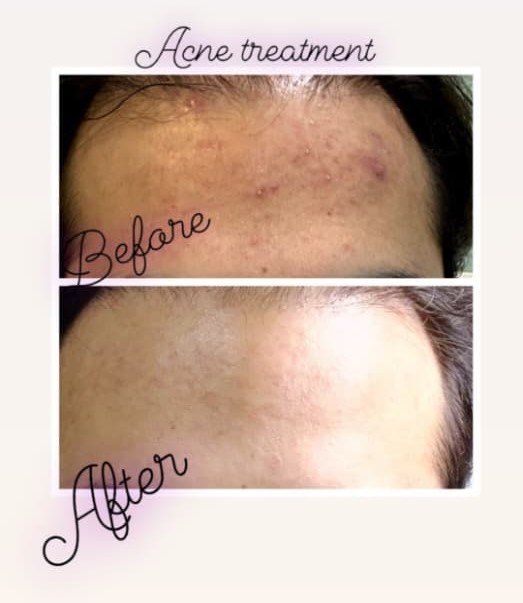
Acne Treatment

Acne Treatment is a personalised medical and aesthetic approach used to control clogged pores, blackheads, whiteheads, inflammatory pimples, pustules, nodules and cysts while reducing the risk of persistent pigmentation and permanent acne scarring. Treatment depends on the type and severity of acne rather than using the same facial, peel or medication for every patient. Management may include appropriate skincare, topical medicines, oral medicines, hormonal treatment in selected patients, chemical peels or other procedures. Active acne should generally be brought under control before focusing on established acne scars.

Duration
Consultation commonly takes 20 to 40 minutes; procedural treatments may take approximately 20 to 60 minutes
Downtime
Often minimal with topical treatment; procedural downtime varies according to the treatment selected
Face Treatments

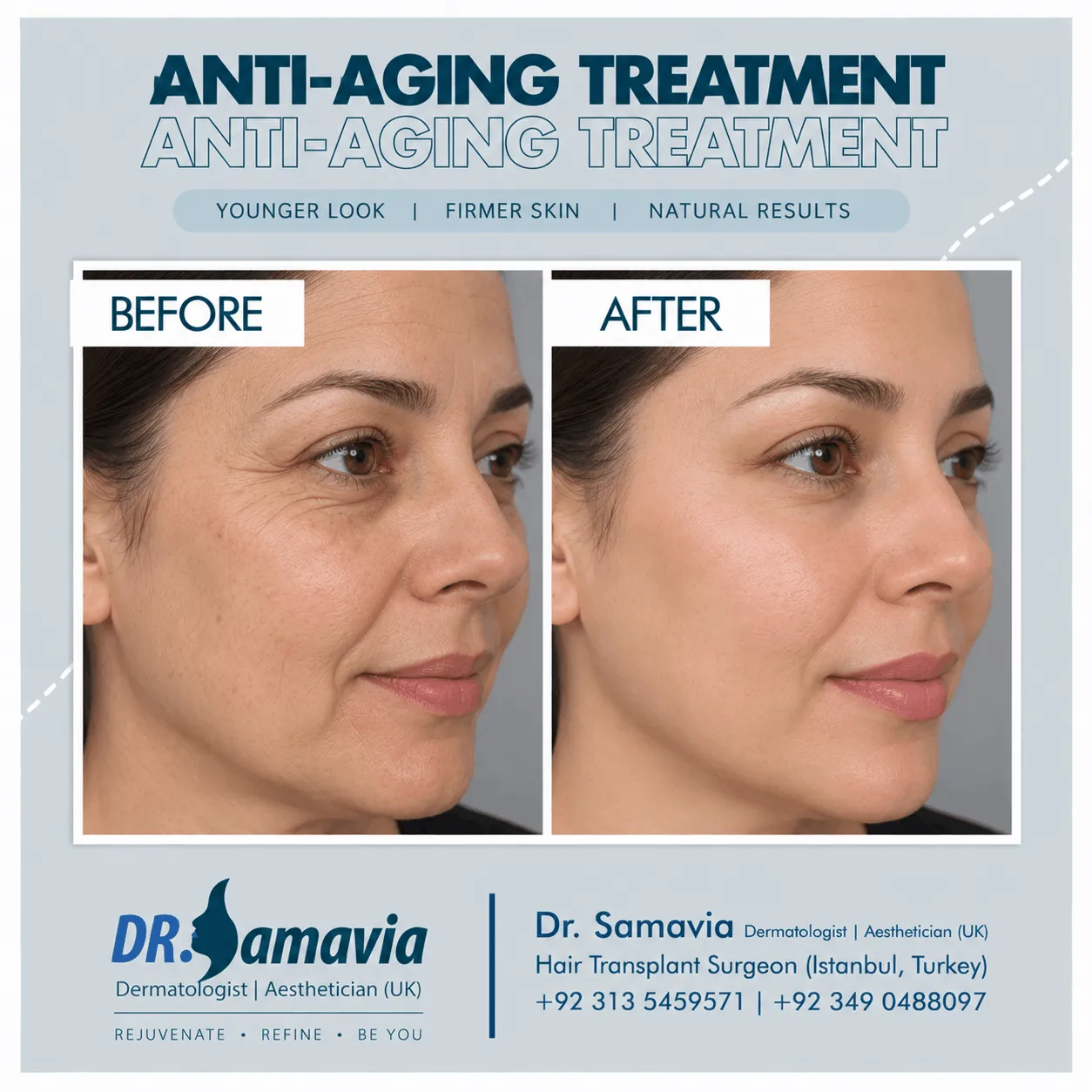
Anti-Aging Treatment

Anti-Aging Treatment refers to a personalised range of non-surgical or minimally invasive treatments used to reduce visible signs of skin ageing. Depending on the patient's concerns, treatment may target fine lines, wrinkles, volume loss, uneven pigmentation, rough texture, sun damage or mild skin laxity. Anti-aging treatment is not one single procedure. A treatment plan may include medical skincare, botulinum toxin, dermal fillers, chemical peels, microneedling, laser or energy-based procedures, skin boosters or other clinically appropriate options. The most suitable approach depends on skin type, facial anatomy, degree of ageing, medical history and treatment goals.

Duration
Commonly around 30 to 90 minutes depending on the treatment or combination selected
Downtime
Varies by procedure and individual response
Face Treatments

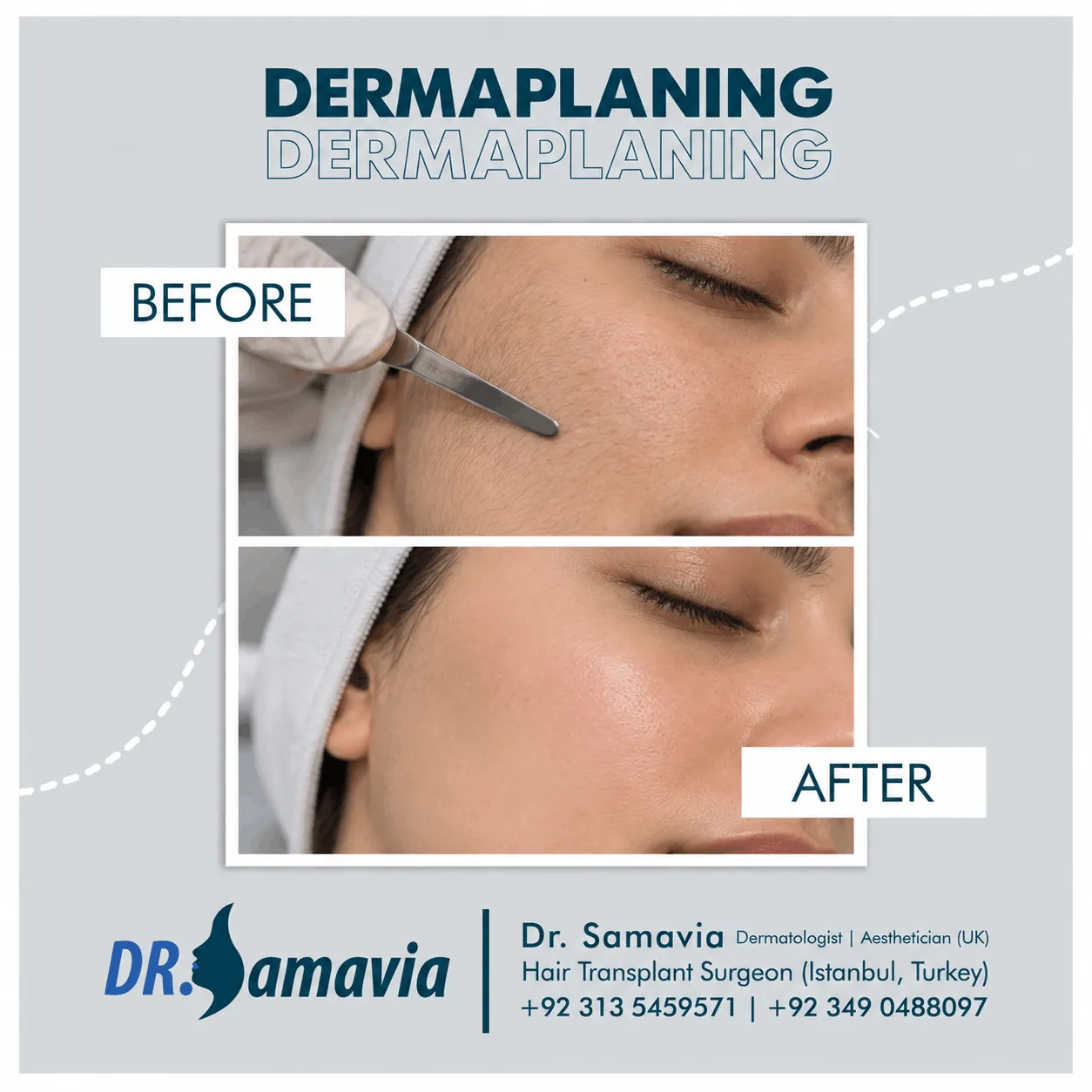
Dermaplaning

Dermaplaning is a non-invasive to minimally invasive cosmetic exfoliation procedure in which a sterile surgical blade or specialised dermaplaning instrument is gently passed across the skin to remove superficial dead skin cells and fine vellus hair, commonly called “peach fuzz.” The treatment can leave the skin temporarily smoother and brighter and may improve the way makeup and skincare products sit on the skin. Dermaplaning does not permanently remove facial hair, change the structure of hair follicles or cause vellus hair to grow back thicker or darker.

Duration
Commonly around 30 to 45 minutes depending on the treatment area
Downtime
Varies by procedure and individual response
Face Treatments

Hydrafacial

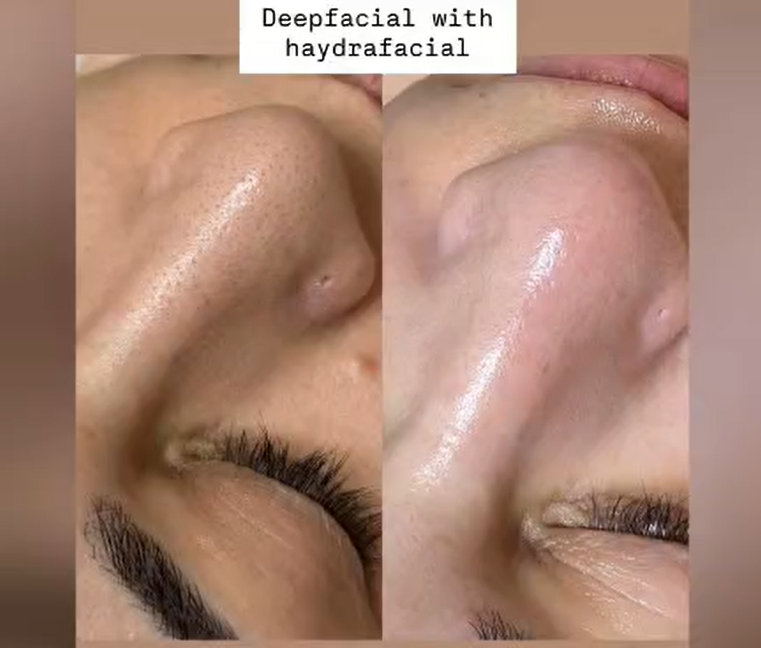
Hydrafacial is a non-invasive facial treatment that combines cleansing, exfoliation, suction-assisted extraction and application of hydrating serums in a single procedure. The treatment is designed to remove surface debris and dead skin cells while improving temporary hydration, smoothness and overall skin appearance. Hydrafacial is a branded form of hydradermabrasion rather than a medical treatment for every skin condition. Small clinical studies have reported improvements in hydration, texture, fine lines and selected acne-related measures, but evidence remains more limited than for many established dermatological treatments. Results depend on skin type, treatment settings, products used and the underlying skin concern.

Duration
Commonly around 30 to 60 minutes depending on treatment customisation
Downtime
Varies by procedure and individual response
Face Treatments

Jawline Contouring

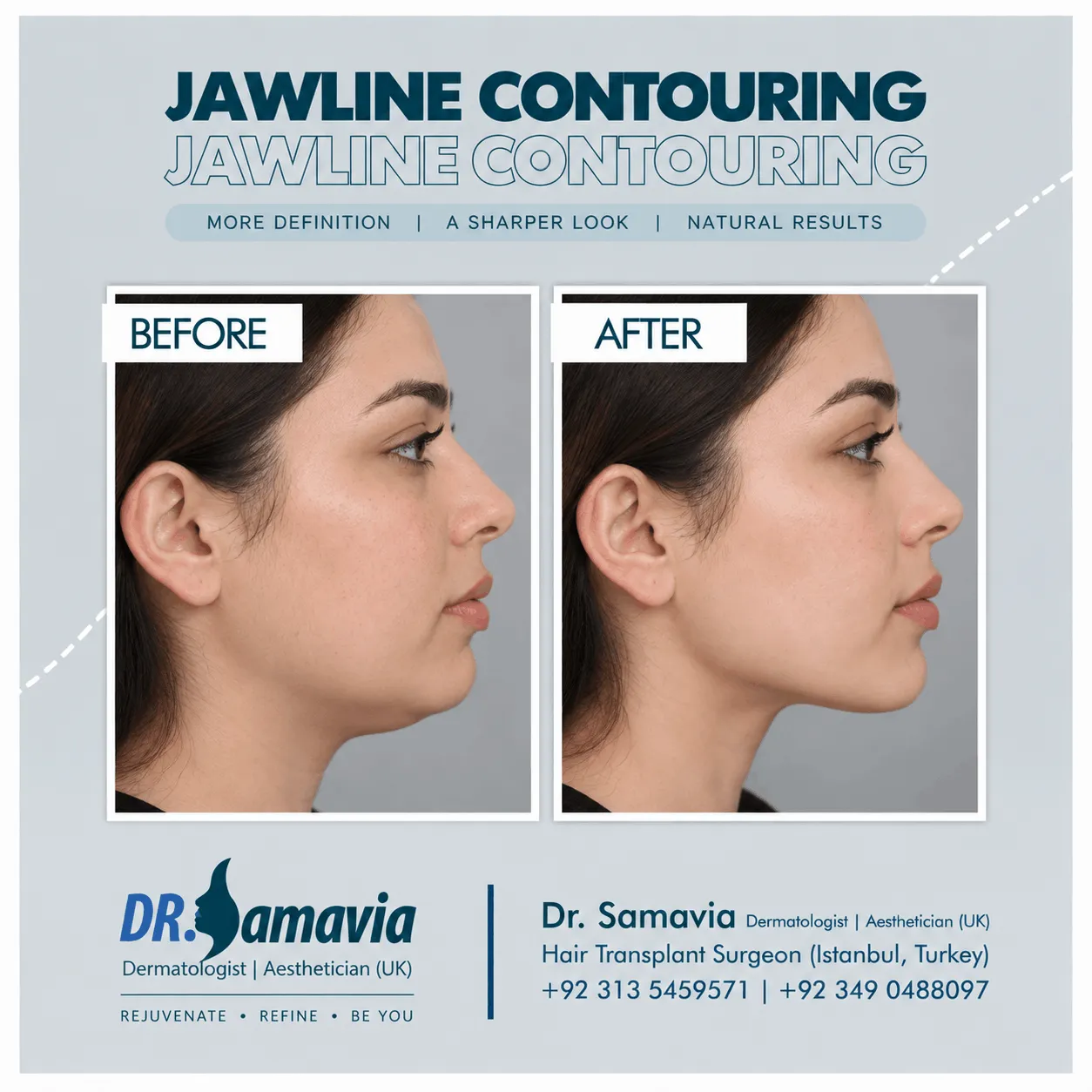
Jawline Contouring is a personalised aesthetic treatment designed to improve the definition, balance or shape of the lower face. Depending on the patient's anatomy, treatment may involve dermal filler to enhance the jaw or chin, botulinum toxin to reduce prominent masseter muscles, energy-based treatment for mild skin laxity, or other appropriate procedures. There is no single treatment that produces the ideal jawline for every patient. A poorly defined jawline may result from limited bony projection, facial volume distribution, enlarged jaw muscles, excess submental fat, loose skin or a combination of these factors. Assessment should therefore identify the underlying cause before treatment is selected.

Duration
Commonly around 30 to 60 minutes for non-surgical treatment; duration varies according to the procedures selected
Downtime
Varies by procedure and individual response
Face Treatments

LED Light Therapy

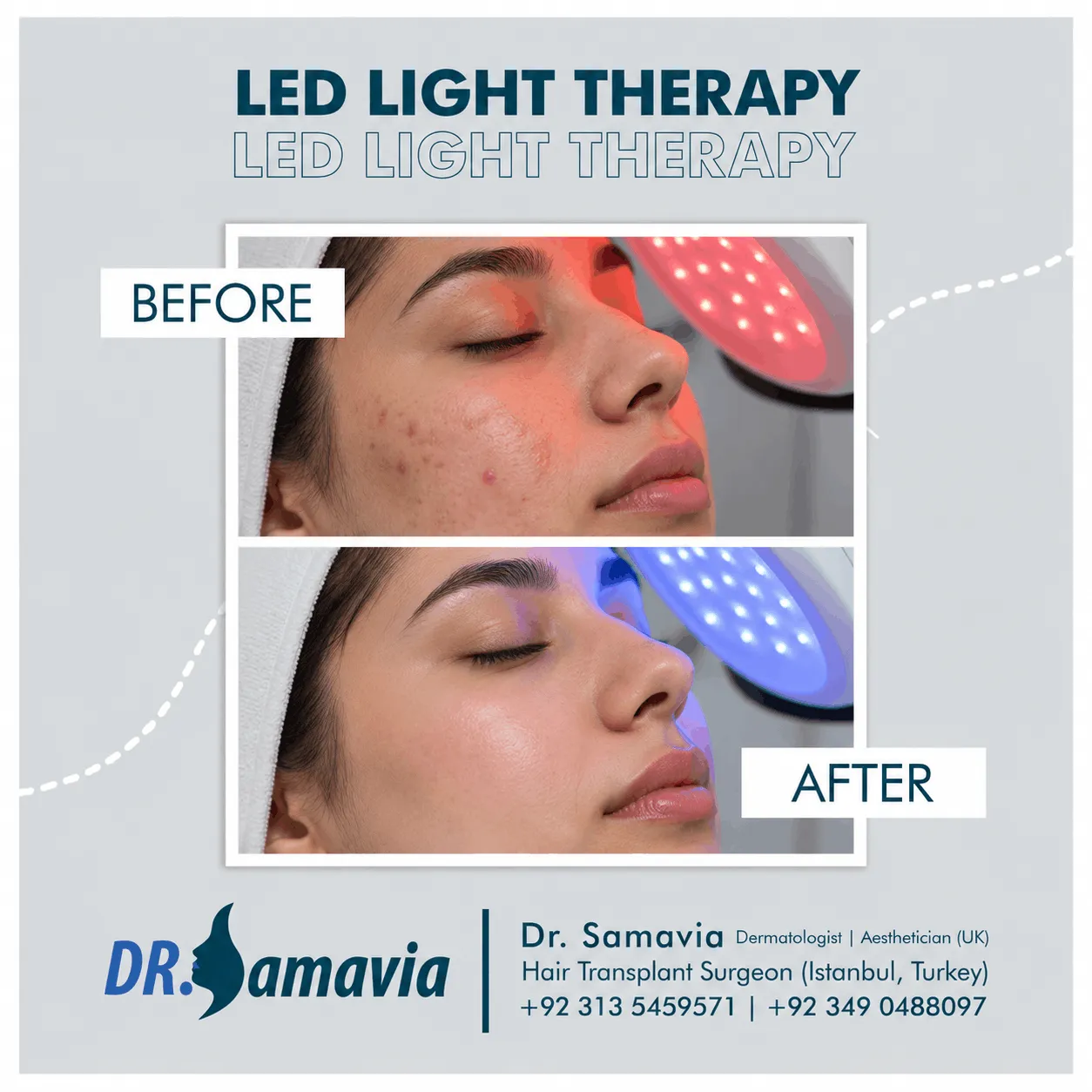
LED Light Therapy is a non-invasive aesthetic treatment that uses specific wavelengths of visible or near-infrared light to expose the skin without intentionally removing or burning its surface. Different wavelengths are used for different treatment goals. Red or near-infrared light is commonly used for skin rejuvenation and photobiomodulation, while blue light may be used as part of treatment for mild-to-moderate inflammatory acne. LED therapy generally requires a series of treatments rather than a single session. Evidence suggests potential benefits for selected concerns, but results depend on the wavelength, device, dose, treatment frequency and underlying skin condition. LED therapy should usually be considered an adjunct rather than a replacement for established medical treatment when a diagnosed skin condition is present.

Duration
Commonly around 10 to 30 minutes depending on the device and treatment protocol
Downtime
Usually none; temporary mild redness, warmth or irritation can occasionally occur
Face Treatments

Mole, Warts & Skin Tags Removal

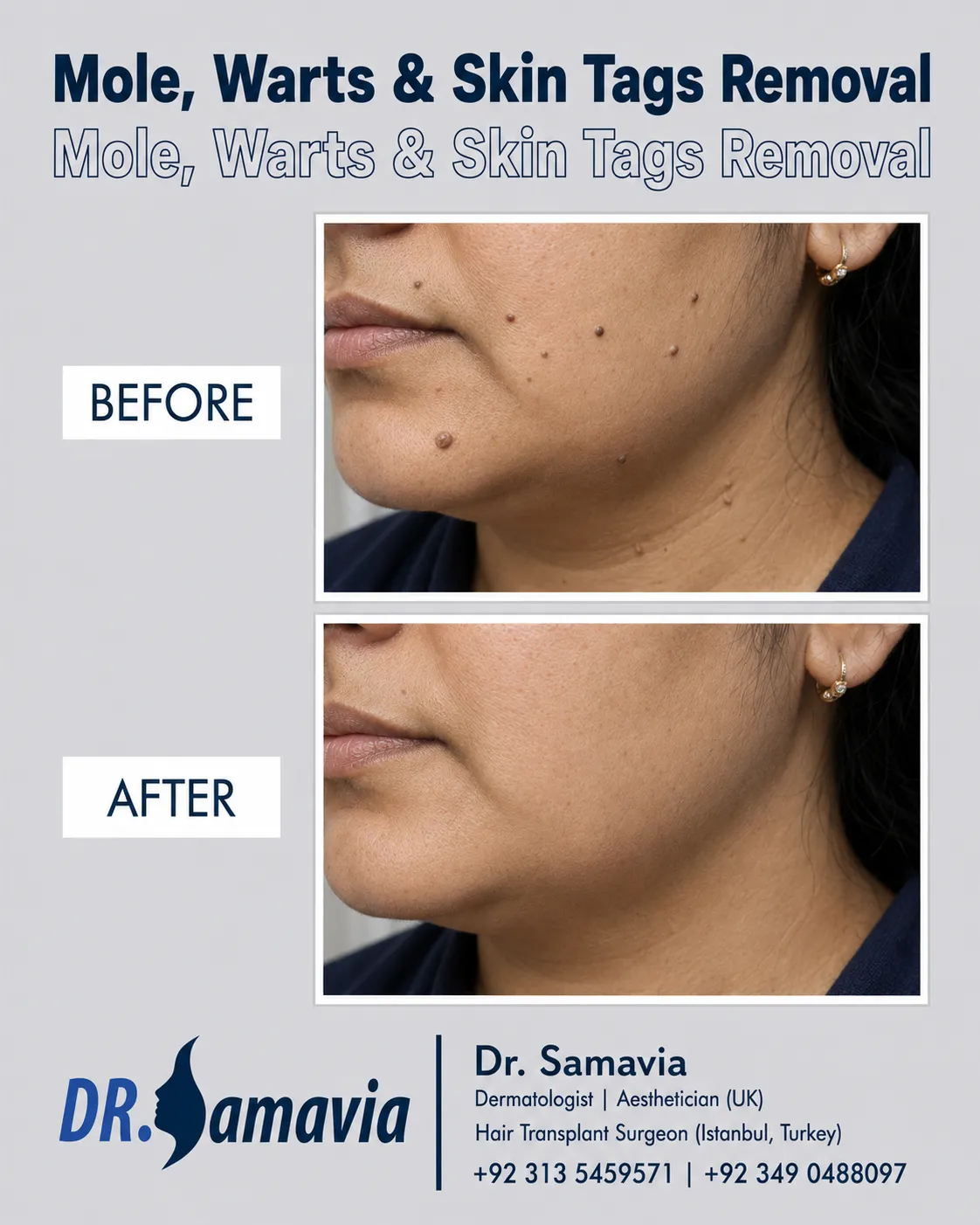
Mole, wart and skin tag removal includes a range of minor dermatological procedures used to remove selected benign skin growths for medical or cosmetic reasons. Although these growths may sometimes look similar, moles, warts and skin tags are different conditions, and the appropriate removal method depends on the diagnosis, location, size and appearance of the lesion. A skin assessment should be performed before removal. This is particularly important for moles or any growth that is new, changing, irregular, bleeding or otherwise suspicious, because it may require biopsy or histopathological examination rather than purely cosmetic destruction.

Duration
Commonly 15 to 45 minutes depending on the number, size and treatment method
Downtime
Usually a few days; healing may take approximately 1 to 2 weeks depending on treatment depth and location
Face Treatments

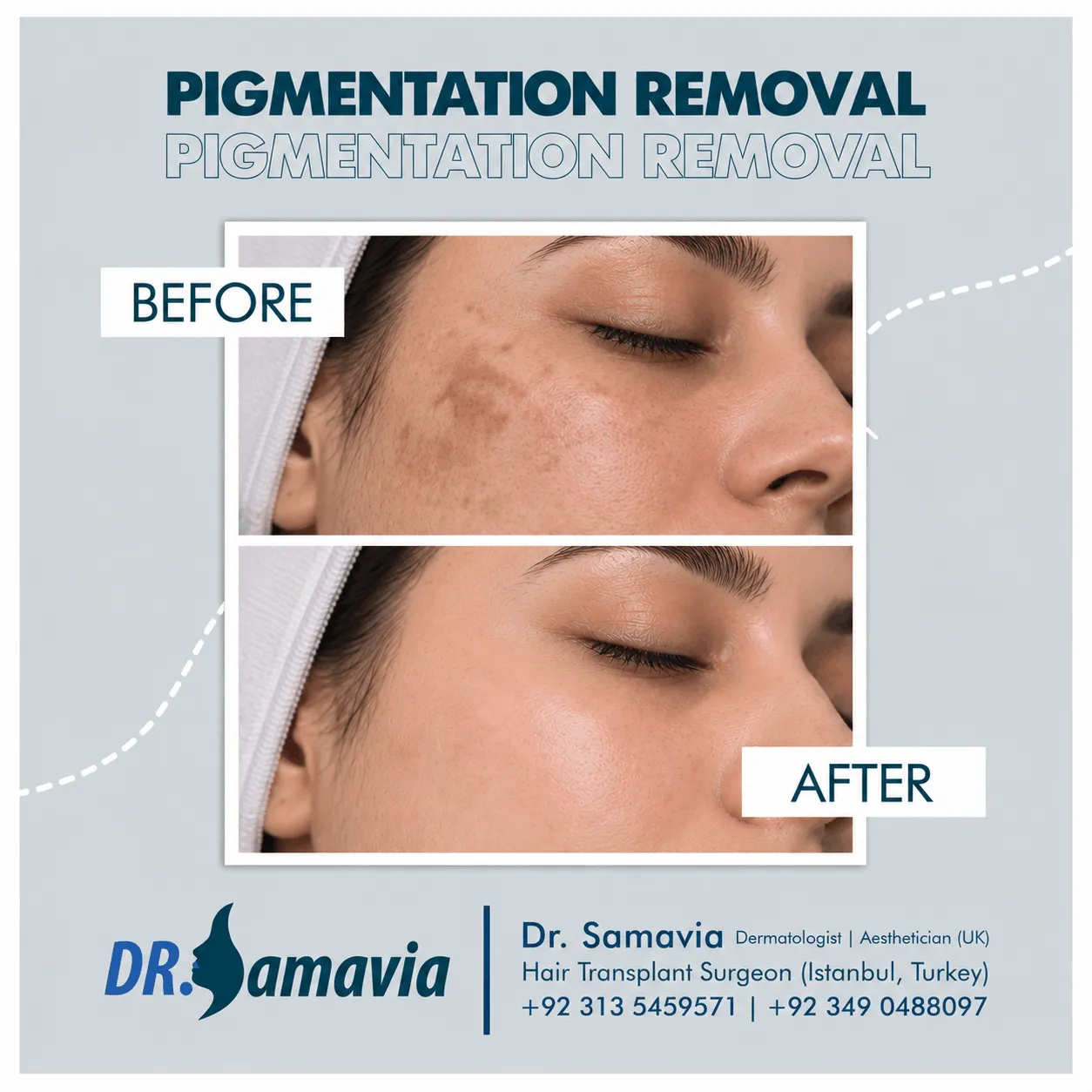
Pigmentation Removal

Pigmentation Removal refers to treatments used to reduce areas of excess skin pigment and create a more even-looking skin tone. Pigmentation can develop because of sun exposure, inflammation, acne, hormonal influences, ageing, medications or specific skin conditions such as melasma. There is no single treatment that removes every type of pigmentation. Treatment may involve medical skincare, prescription or clinician-directed topical products, chemical peels, microneedling, laser or light-based procedures, or a combination of approaches. Correct diagnosis is important because some pigmentation—particularly melasma—can become darker or recur if treated too aggressively.

Duration
Commonly around 20 to 60 minutes depending on the treatment selected and area treated
Downtime
Varies by procedure and individual response
Face Treatments

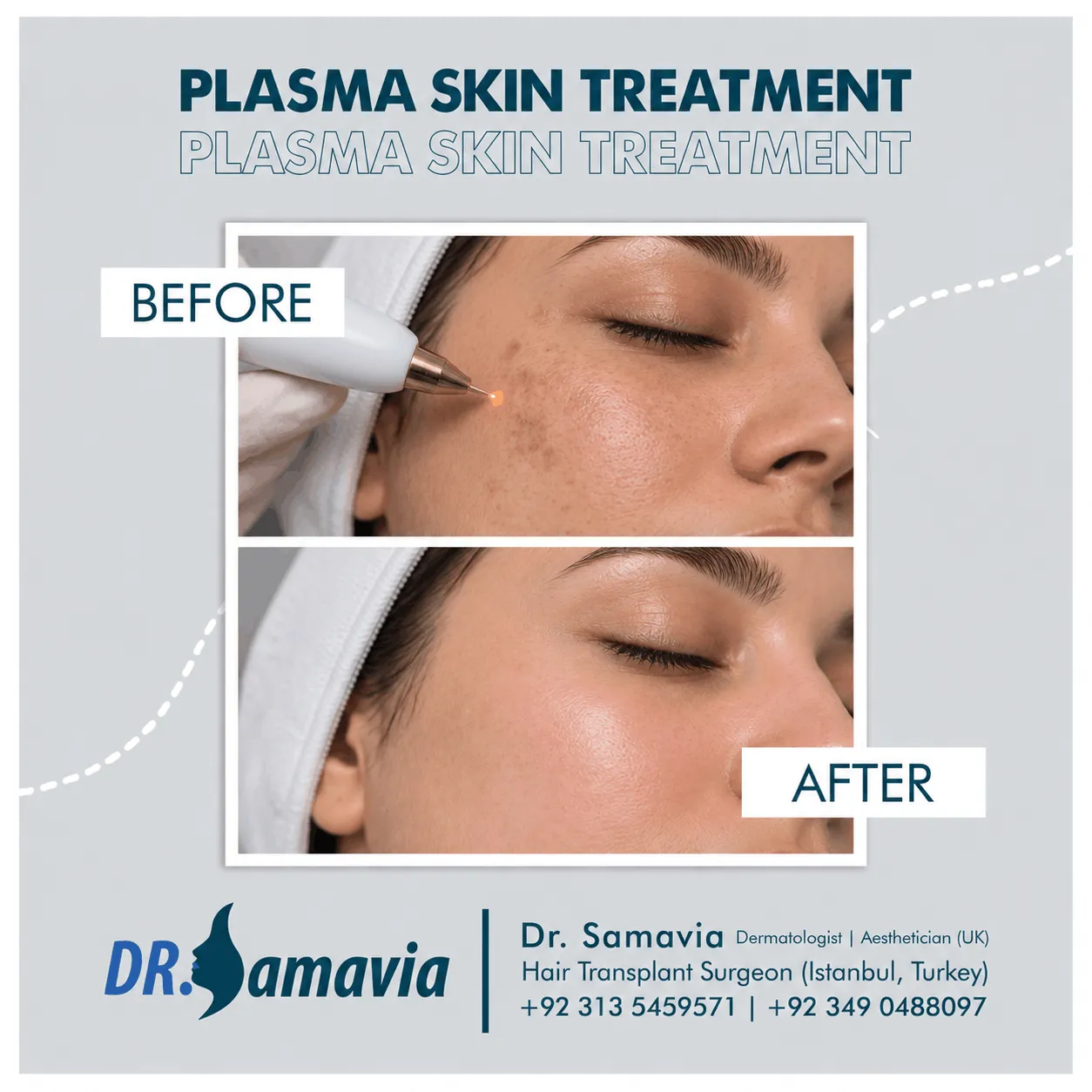
Plasma Skin Treatment

Plasma Skin Treatment, often called Plasma Pen, Plasma Exeresis or Fibroblast Plasma Treatment, is an energy-based aesthetic procedure that creates a controlled electrical plasma arc near the skin surface. The energy produces small, controlled areas of thermal injury with the aim of improving selected superficial skin lesions or producing a modest tightening effect through wound healing and collagen remodelling. Plasma treatment is not the same as PRP (Platelet-Rich Plasma), which is prepared from a patient's own blood. The evidence for cosmetic plasma-pen skin tightening remains relatively limited, and outcomes depend on the device, treatment area, skin type, energy settings and practitioner technique. Burns, pigmentation changes and scarring are important potential complications.

Duration
Commonly around 30 to 60 minutes depending on the treatment area
Downtime
Swelling, redness and small crusts commonly remain visible for approximately 5 to 10 days; pigmentation changes may last longer
Face Treatments

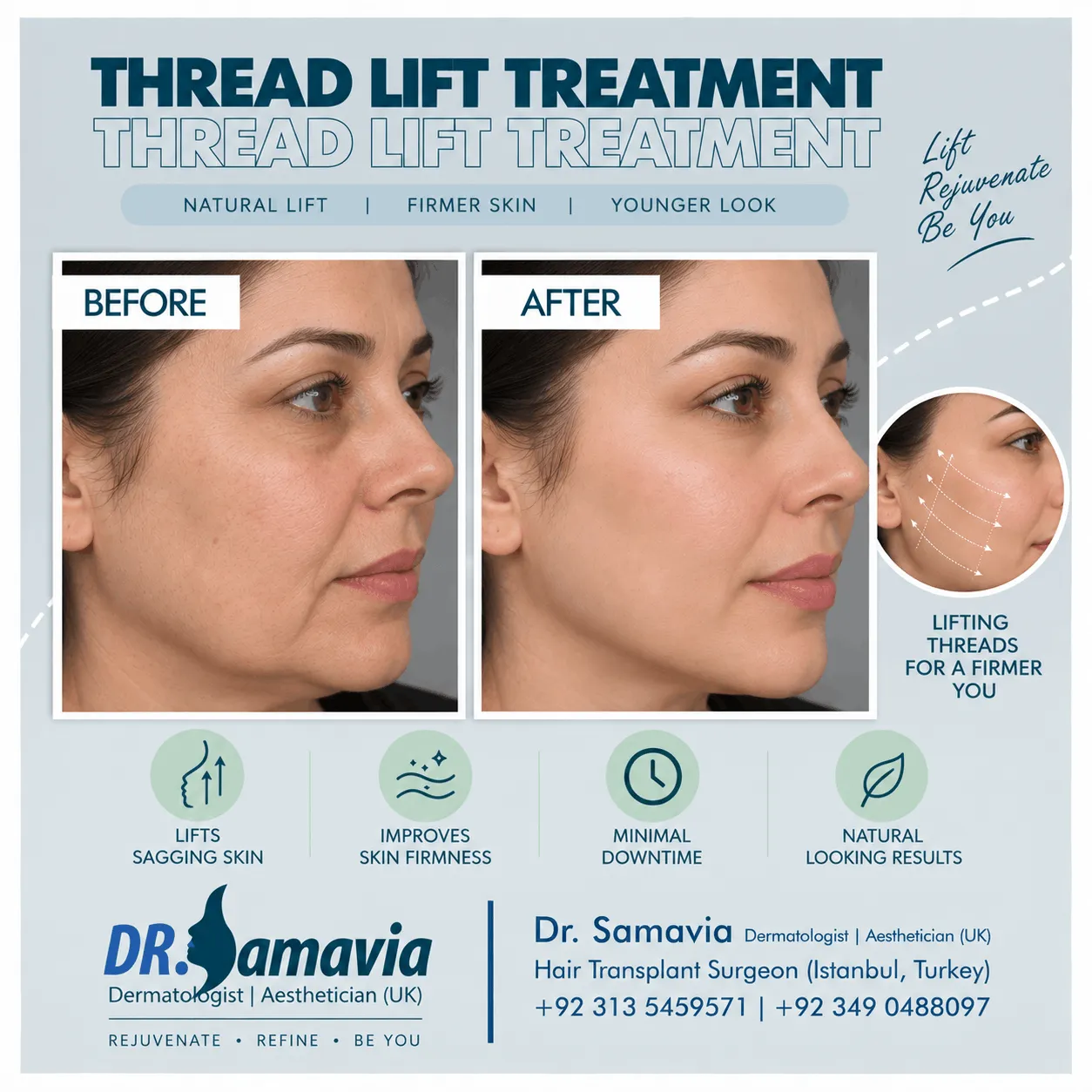
Thread Lift Treatment

Thread Lift Treatment is a minimally invasive cosmetic procedure in which specially designed absorbable threads are placed beneath the skin to reposition selected areas of mildly lax facial or neck tissue. The threads may contain small barbs, cones or other structures that help engage the tissue and produce a modest lifting effect. Thread lifts are commonly used for early facial sagging, mild jowls, eyebrow descent and selected neck laxity. They should not be presented as an alternative that produces the same degree or duration of correction as a surgical facelift. Results are generally subtle to moderate and temporary, and suitability depends on facial anatomy, degree of skin laxity, thread type and treatment technique.

Duration
Commonly around 30 to 60 minutes depending on the areas treated and number of threads
Downtime
Swelling, bruising, tenderness or temporary dimpling may occur for several days; some patients require longer
Treatment category

Hair Procedures

Compare hair-loss assessment, PRP, supportive treatments and hair transplant planning at Dr Samavia Clinic in Islamabad.

View category
Hair Procedures

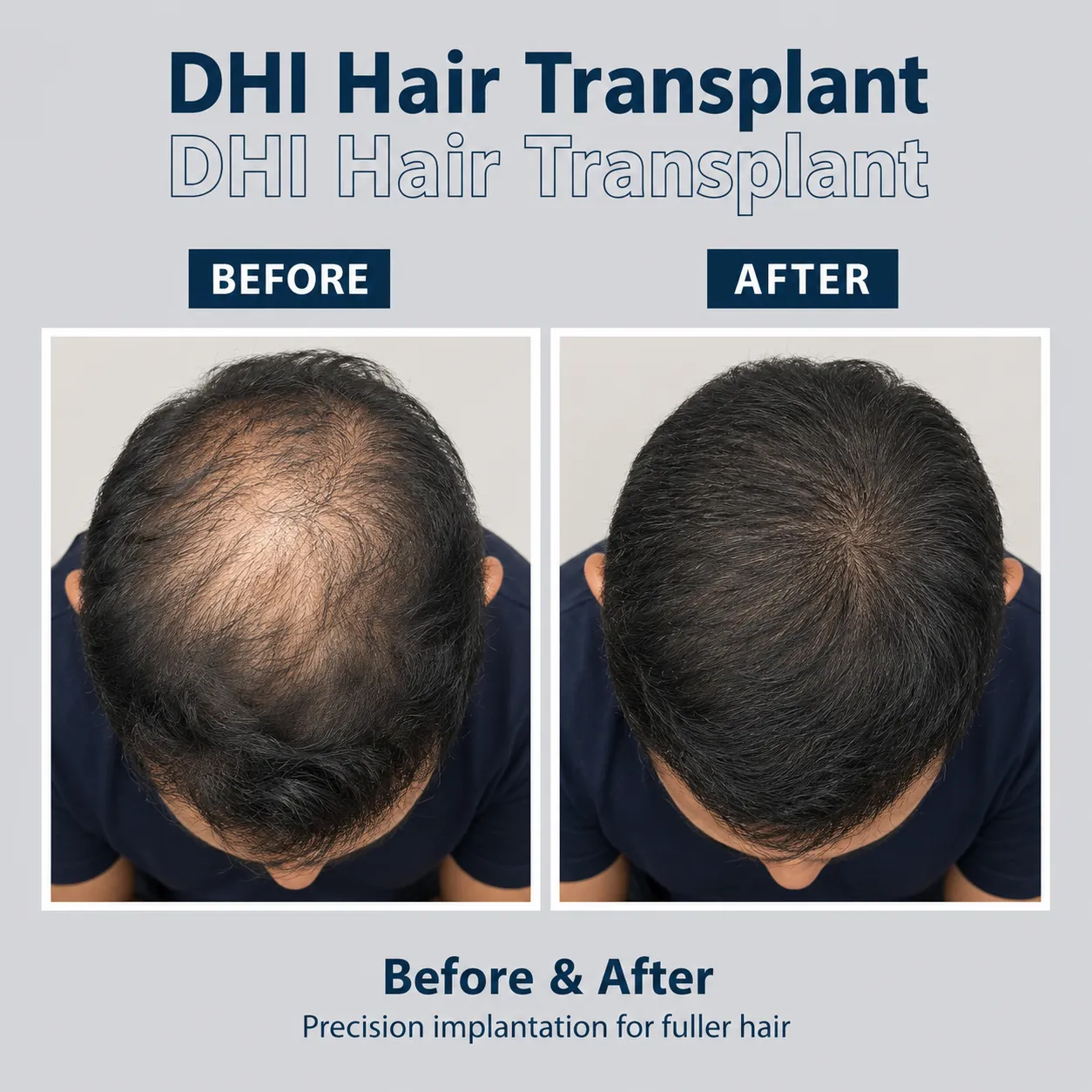
DHI Hair Transplant

DHI hair transplant is a surgical hair-restoration approach in which individual follicular units are usually harvested from a donor area using FUE and then implanted into planned areas of hair loss with an implanter device. The technique allows the surgeon to control graft placement, direction and distribution according to the treatment plan. DHI is commonly promoted as a separate hair-transplant technique, but medically it is more accurately considered an implantation method used as part of follicular-unit hair transplantation. Suitability depends on the cause and pattern of hair loss, donor-hair availability, scalp health and the patient's long-term hair-loss pattern.

Duration
Commonly 4 to 8 hours depending on graft numbers and treatment area
Downtime
Visible redness, swelling or scabbing may last around 7 to 14 days
Hair Procedures

Hair Booster Injection

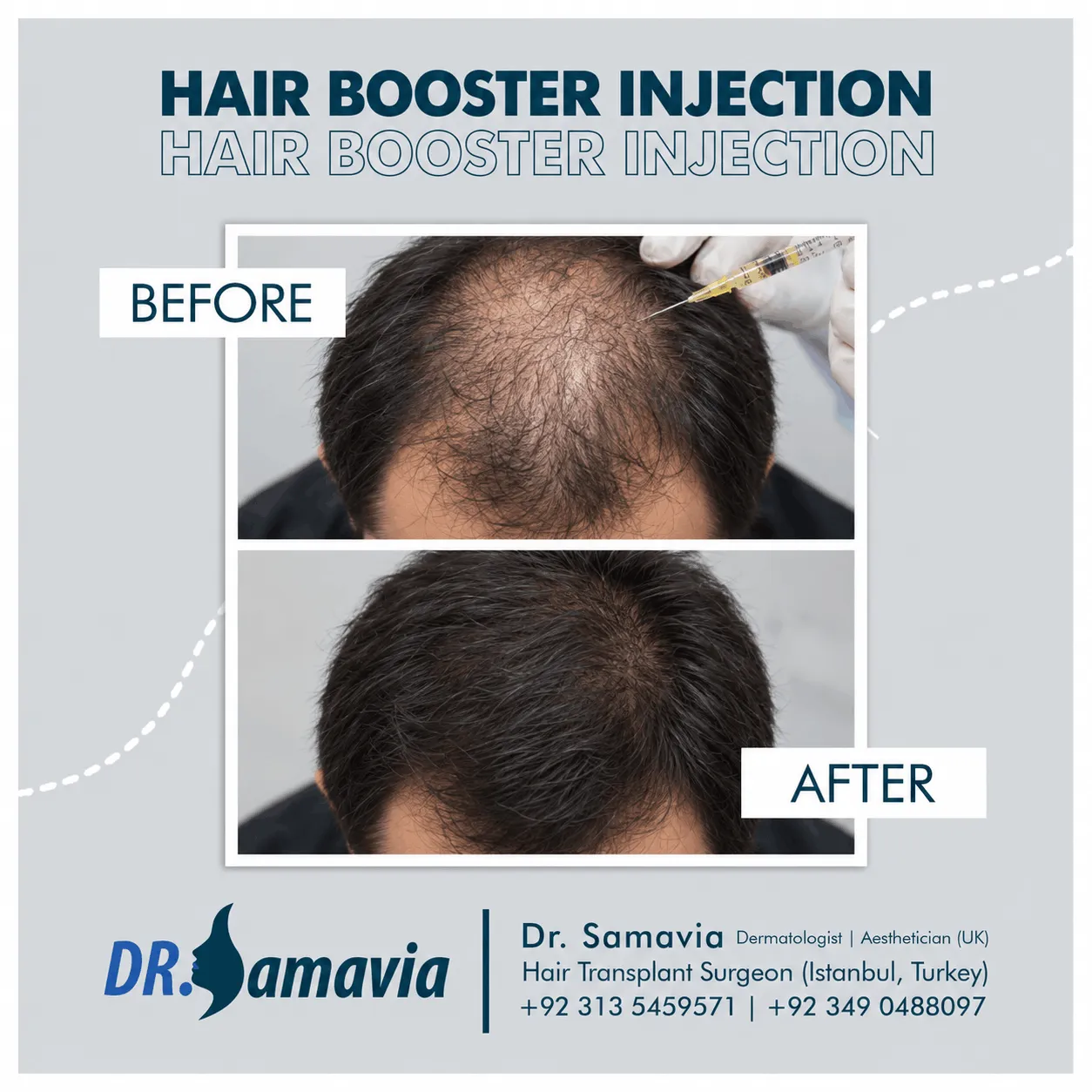
Hair Booster Injection is a general term used for injectable scalp treatments designed to deliver selected ingredients directly into areas of thinning hair. Depending on the specific product or protocol, a hair booster may contain vitamins, amino acids, peptides, hyaluronic acid, antioxidants or other compounds intended to support scalp and hair-follicle health. “Hair booster” is not one standardized medical treatment. Different clinics and manufacturers use different formulations, concentrations and injection protocols. Some scalp-injection approaches have shown potential benefit in androgenetic alopecia, but evidence varies considerably according to the ingredients used. Diagnosis of the cause of hair loss should therefore come before treatment.

Duration
Commonly around 30 to 60 minutes
Downtime
Mild redness, tenderness, swelling or small bruises may occur for 1 to 3 days
Hair Procedures

Hair Cleansing Treatment

Hair Cleansing Treatment is a professional scalp and hair-care procedure designed to remove excess oil, dead skin cells, sweat, styling-product residue and other superficial buildup from the scalp and hair. Depending on the scalp condition, treatment may involve cleansing shampoos, gentle scalp exfoliation, massage, hydration or selected scalp-care products. Hair cleansing should primarily be considered a scalp-hygiene and maintenance treatment rather than a treatment for hair loss or a cure for dandruff. Persistent itching, heavy scaling, redness, sores or significant hair shedding may indicate seborrheic dermatitis, psoriasis, eczema, infection or another scalp condition that requires medical assessment.

Duration
Commonly around 30 to 60 minutes depending on hair length, scalp condition and treatment protocol
Downtime
Usually none; temporary scalp sensitivity or dryness can occasionally occur
Hair Procedures

Hair Exosome Treatment

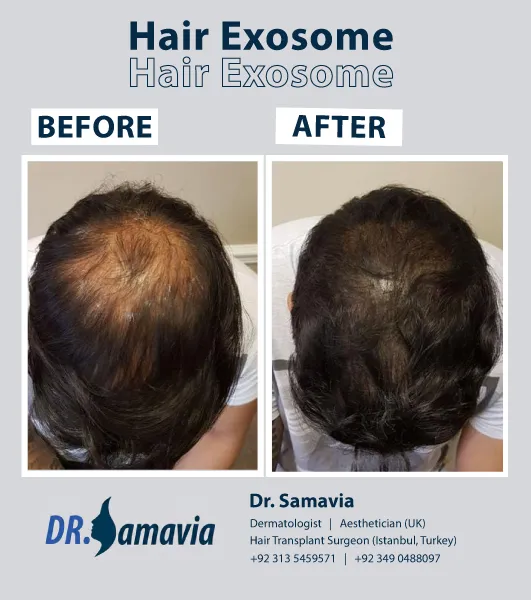
Hair Exosome Treatment is an emerging regenerative approach in which exosome-containing products are applied or delivered to selected areas of the scalp with the aim of supporting existing hair follicles and improving hair-growth parameters. Exosomes are very small extracellular vesicles released by cells that can carry proteins, lipids and genetic signalling material involved in cell-to-cell communication. Early human studies have reported improvements in hair density or thickness in some patients, particularly those with androgenetic alopecia. However, the evidence remains preliminary. Exosome sources, manufacturing methods, concentrations, delivery techniques and treatment schedules vary substantially, and long-term safety and effectiveness have not yet been established. A 2025 systematic review found encouraging results but emphasized small studies, heterogeneous protocols and the need for larger high-quality randomized trials.

Duration
Commonly around 30 to 60 minutes depending on the delivery method and treatment area
Downtime
Mild redness, tenderness or swelling may occur for approximately 1 to 3 days depending on the procedure
Hair Procedures

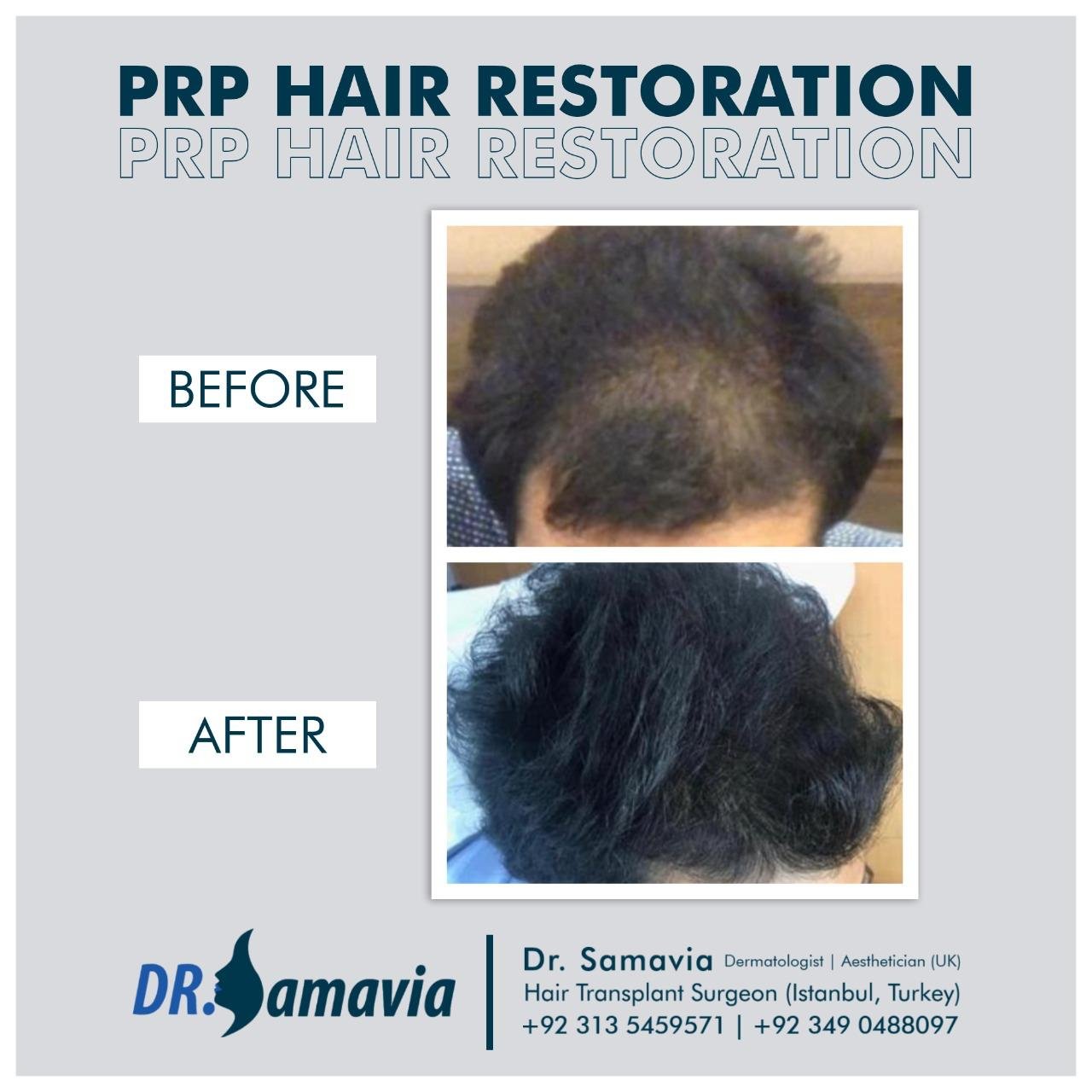
Hair Fall Treatment

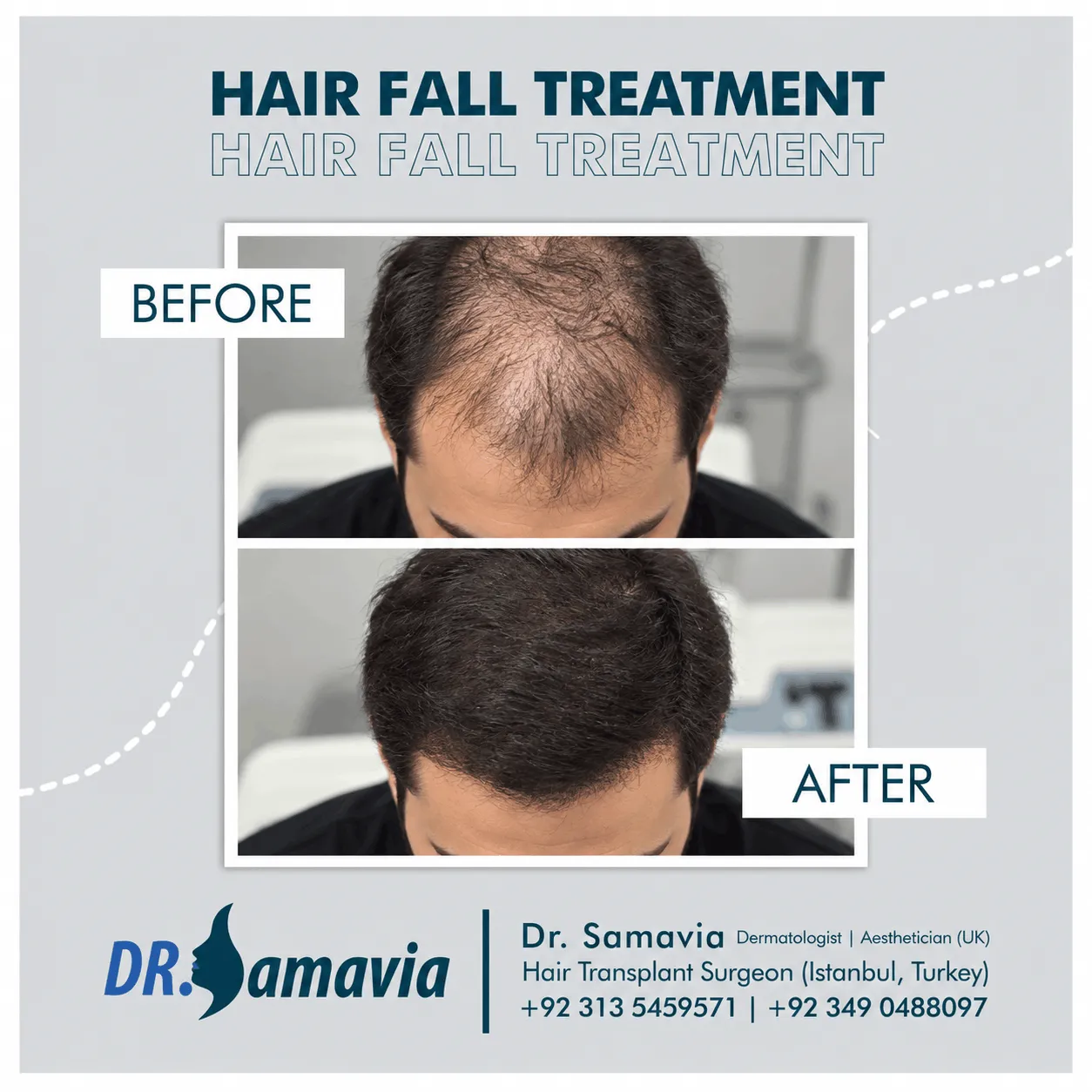
Hair Fall Treatment is a personalised approach used to identify the cause of excessive hair shedding, progressive thinning or patchy hair loss and select treatment according to the diagnosis. Hair fall is a symptom rather than a single disease, and possible causes include androgenetic alopecia, telogen effluvium, alopecia areata, nutritional deficiencies, thyroid disorders, scalp disease, medications and certain scarring alopecias. Some daily shedding is normal. The NHS notes that losing approximately 50 to 100 hairs per day can occur as part of the normal hair-growth cycle. Concern becomes greater when shedding noticeably increases, the scalp becomes more visible, the hairline recedes, bald patches develop or hair density progressively decreases.
Duration
Initial assessment commonly takes around 20 to 40 minutes; treatment duration depends on the cause
Downtime
Usually none for medical treatment; PRP, PRF, microneedling or other procedures may cause temporary redness or tenderness
Hair Procedures

Hair Scan

Hair Scan is a non-invasive digital assessment of the scalp and hair that uses magnification, dermoscopy or video-trichoscopy to examine hair shafts, follicular openings, hair-density patterns and visible scalp changes in greater detail than is possible with the naked eye. A Hair Scan can help support assessment of concerns such as pattern hair loss, excessive shedding, patchy hair loss, scalp scaling and selected hair-shaft abnormalities. It is an assessment tool rather than a treatment, and scan findings should be interpreted together with medical history and clinical examination. Blood tests, fungal testing or scalp biopsy may still be required when clinically indicated. Trichoscopy is recognised as a useful non-invasive technique for evaluating hair and scalp disorders.

Duration
Commonly around 20 to 40 minutes depending on the extent of assessment
Downtime
None
Hair Procedures

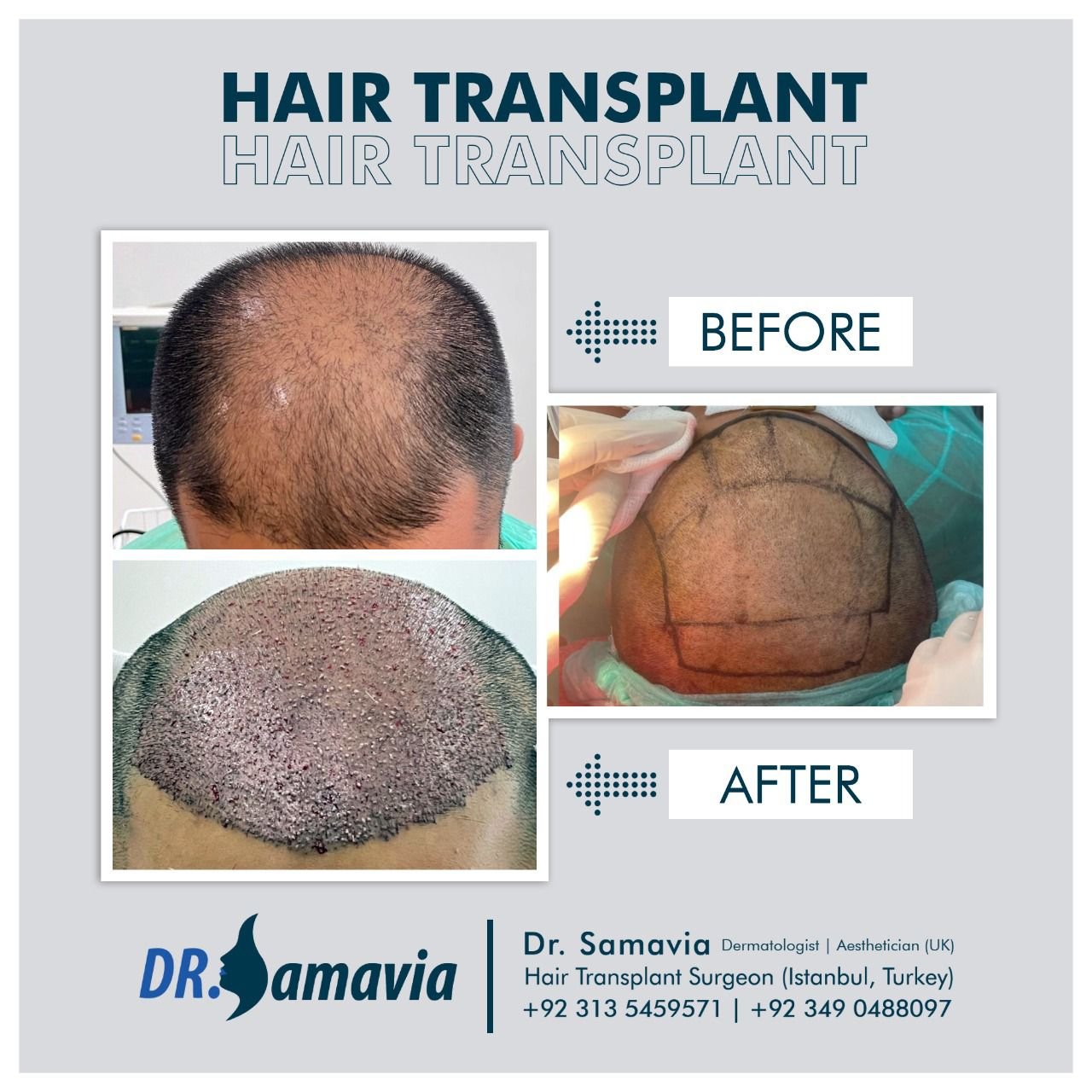
Hair Transplant

Hair transplant is a surgical hair-restoration procedure in which healthy follicular units are moved from a suitable donor area—usually the back or sides of the scalp—to areas affected by permanent hair loss. Modern transplantation primarily uses two donor-harvesting approaches: Follicular Unit Excision (FUE) and Follicular Unit Transplantation using strip/linear excision (FUT). Hair transplantation is most commonly performed for androgenetic alopecia, also known as male or female pattern hair loss. Results depend on correct diagnosis, donor-hair availability, hair characteristics, surgical planning, graft handling and the patient's future pattern of hair loss.

Duration
Commonly around 4 to 8 hours; larger procedures may require longer or more than one session
Downtime
Redness, swelling and scabbing commonly occur for approximately 1 to 2 weeks
Hair Procedures

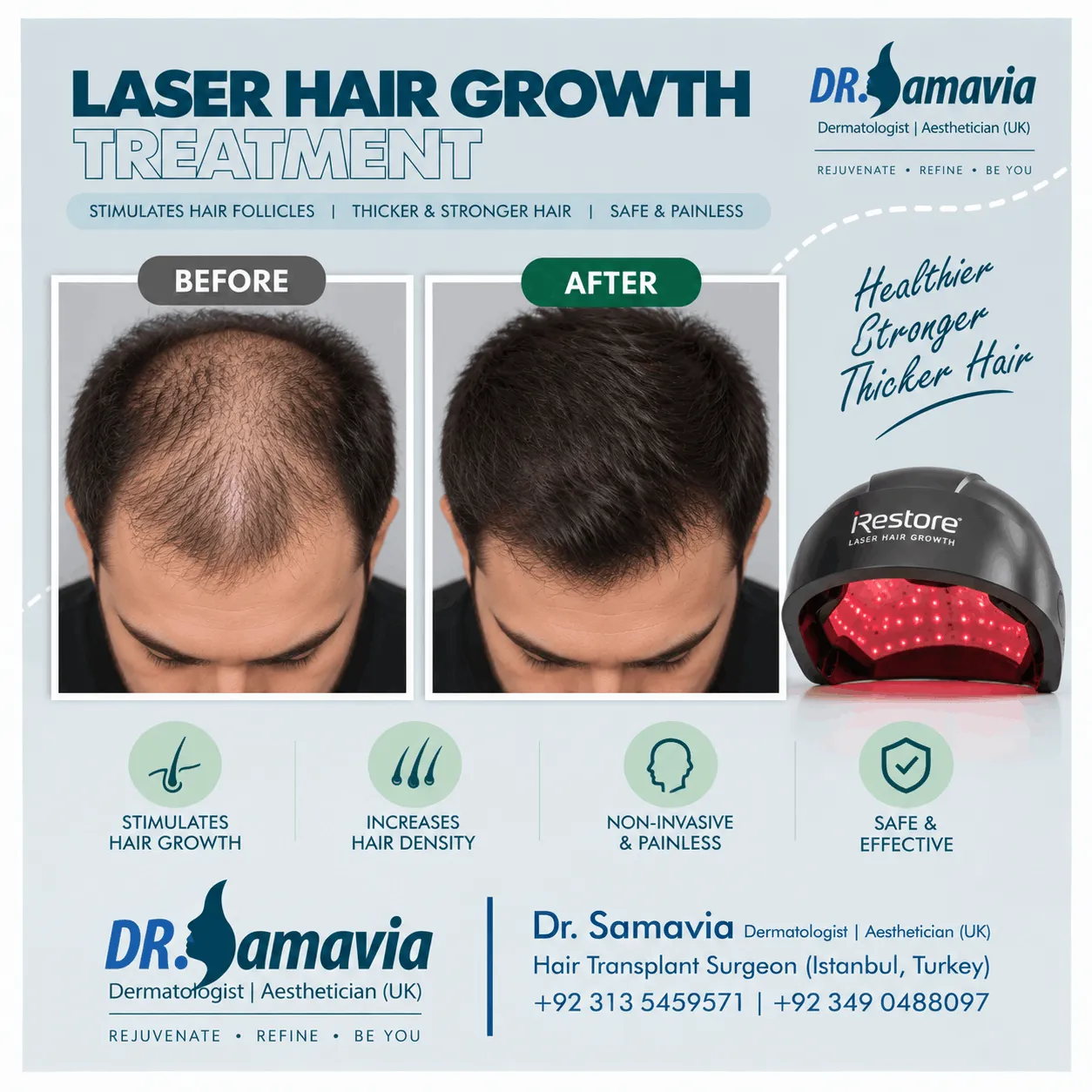
Laser Hair Growth Treatment

Laser Hair Growth Treatment uses low-level red-light or laser energy applied to the scalp with the aim of supporting existing hair follicles and promoting hair growth in selected patients. The technique is commonly referred to as Low-Level Laser Therapy (LLLT) or low-level light therapy and may be delivered through specialised caps, helmets, combs or clinical devices. Clinical studies suggest that repeated low-level laser or LED therapy can improve hair density in some men and women with androgenetic alopecia. It is a non-surgical treatment, but results develop gradually and vary between individuals. Laser hair growth treatment does not create new follicles and should not replace diagnosis of the underlying cause of hair loss.

Duration
Commonly around 15 to 30 minutes per session, depending on the device and protocol
Downtime
Usually none
Hair Procedures

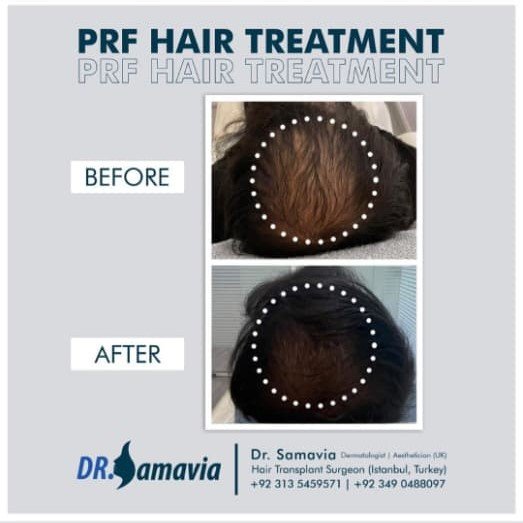
PRF Hair Treatment

PRF hair treatment uses a concentrated preparation made from a patient's own blood and injects it into selected areas of the scalp. PRF, or Platelet-Rich Fibrin, contains platelets, fibrin and naturally occurring signalling proteins that are being studied for their potential role in supporting hair-follicle activity. Early clinical studies suggest injectable PRF may improve hair density or related hair-growth measurements in some patients with androgenetic alopecia. However, PRF is newer and less extensively studied than PRP, preparation protocols vary, and larger controlled studies are still needed. Diagnosis of the cause of hair loss should therefore come before treatment.

Duration
Commonly around 30 to 60 minutes
Downtime
Mild scalp tenderness, redness or swelling may occur for 1 to 2 days
Hair Procedures

PRP Hair Treatment

PRP hair treatment separates platelet-rich plasma from a small blood sample and injects it into selected scalp areas. Research suggests possible improvement in hair density for some patients with androgenetic alopecia, but studies use different protocols and evidence quality is limited. Diagnosis and baseline assessment should come before treatment.

Duration
Commonly 45 to 60 minutes
Downtime
Scalp tenderness or redness for 1 to 2 days
Hair Procedures

Scalp Micropigmentation

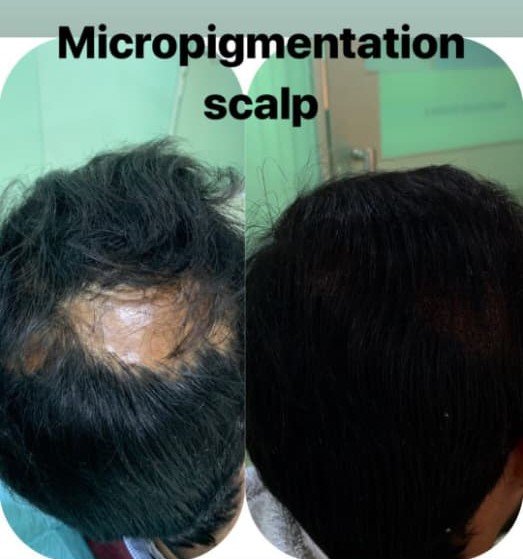
Scalp Micropigmentation (SMP) is a non-surgical cosmetic camouflage procedure in which tiny deposits of pigment are placed into the superficial scalp to create the appearance of closely shaved hair follicles or reduce the visible contrast between thinning hair and the scalp. It may be considered for male or female pattern hair loss, areas of reduced density and selected scalp scars. SMP does not stimulate hair growth or create new hair follicles. Its purpose is visual camouflage. Results depend on appropriate diagnosis, hair-loss pattern, skin type, pigment selection, hairline design and implantation technique. Published studies report good cosmetic satisfaction in selected patients, although standardized protocols and long-term evidence remain limited.

Duration
Commonly around 2 to 4 hours per session depending on the treatment area
Downtime
Redness and mild tenderness commonly settle within a few days
Treatment category

Laser Treatments

Explore laser hair reduction, resurfacing and pigmentation treatment with skin-tone assessment and realistic recovery guidance.

View category
Laser Treatments

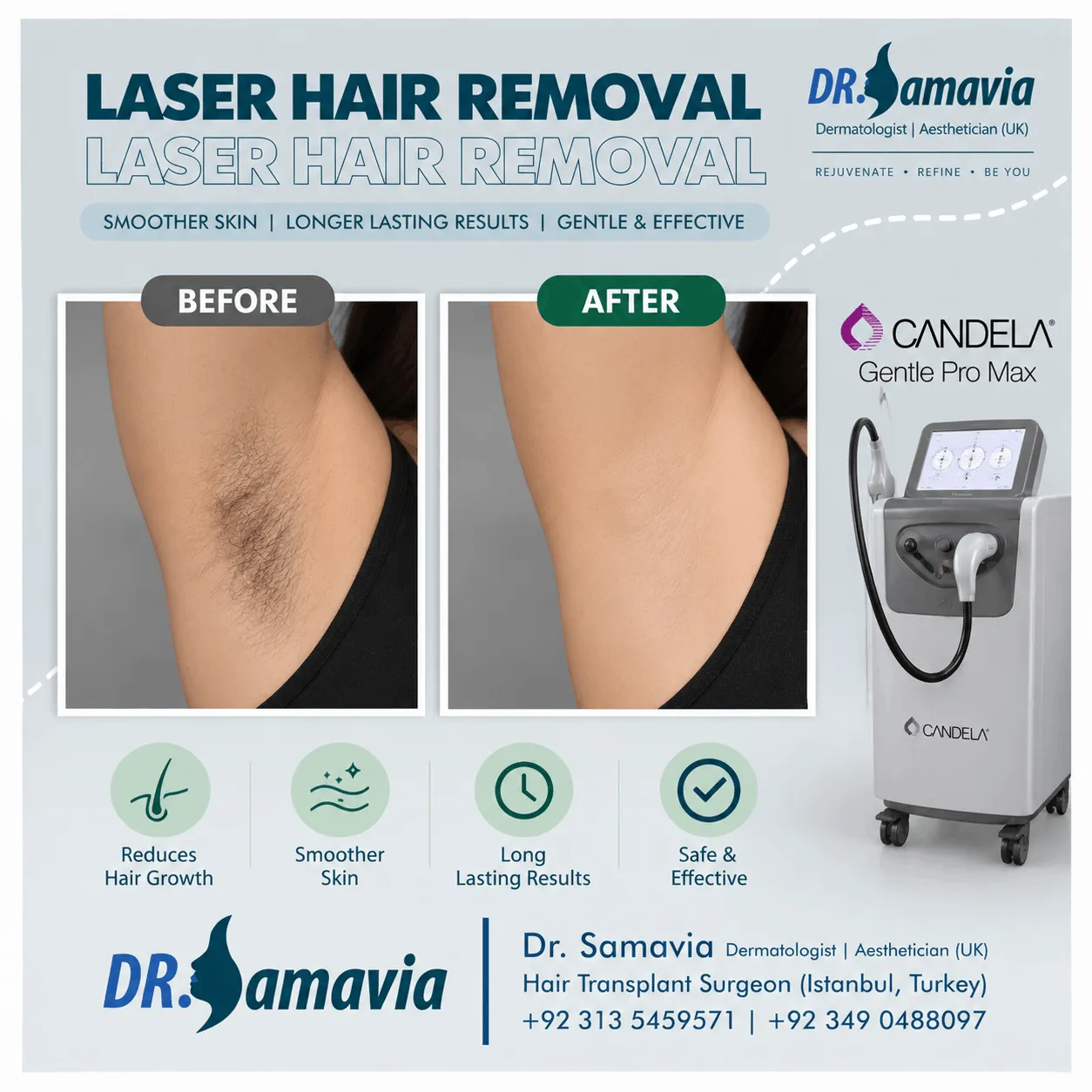
Laser Hair Removal

Laser Hair Removal is a non-surgical procedure that uses concentrated light energy to target pigment within unwanted hair. The absorbed light is converted into heat, which damages selected hair follicles and reduces their ability to produce future hair. Laser hair removal can produce substantial and long-lasting hair reduction, but it should not be presented as guaranteed removal of every hair permanently. Multiple sessions are required because the laser works most effectively on hairs in an active growth phase, and some regrowth can occur over time.
Duration
From a few minutes for small areas to around 60 minutes or longer for large areas
Downtime
Varies by procedure and individual response
How recommendations are made

Assessment before treatment

01

Understand the concern

Your history, symptoms, previous treatments and goals are discussed.

02

Assess suitability

Skin, scalp or facial anatomy is examined and relevant risks are considered.

03

Compare options

Benefits, limitations, alternatives, recovery and cost factors are explained.

04

Plan follow-up

Aftercare and review are matched to the selected treatment.

Dr Samavia at the Islamabad clinic
Dr Samavia Clinic

Clear information supports informed decisions

Service pages separate potential benefits from limitations, identify common safety considerations and link to clinical sources. Individual suitability and consent are still confirmed during consultation.

  • Islamabad-based physical clinic
  • Procedure-specific consultation and aftercare
  • No guaranteed results or one-size-fits-all packages
  • Nationwide and international visit planning available

About Dr Samavia

Not sure where to begin?

Book a consultation to compare appropriate options, expected recovery and whether treatment is necessary.

Book consultationWhatsApp