
Hydrafacial in Islamabad
Hydrafacial is a non-invasive facial treatment that combines cleansing, exfoliation, suction-assisted extraction and application of hydrating serums in a single procedure. The treatment is designed to remove surface debris and dead skin cells while improving temporary hydration, smoothness and overall skin appearance.
Hydrafacial is a branded form of hydradermabrasion rather than a medical treatment for every skin condition. Small clinical studies have reported improvements in hydration, texture, fine lines and selected acne-related measures, but evidence remains more limited than for many established dermatological treatments. Results depend on skin type, treatment settings, products used and the underlying skin concern.
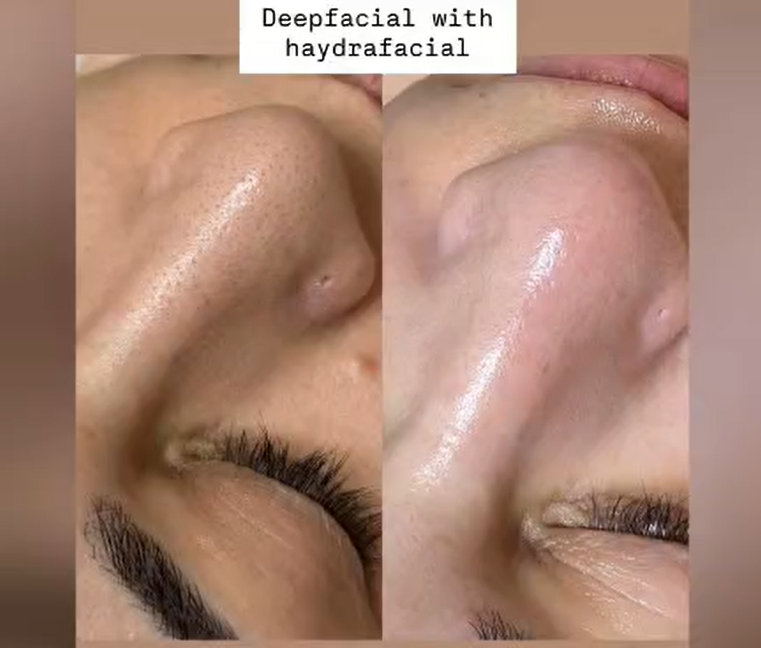
What is Hydrafacial?
Hydrafacial is a branded hydradermabrasion treatment that uses a specialised handheld device to cleanse, exfoliate, remove superficial impurities and apply selected serums to the skin.
The manufacturer's current treatment system combines several stages that can include:
- Cleansing
- Mechanical exfoliation
- Gentle chemical exfoliation
- Suction-assisted extraction
- Hydration
- Targeted serum application
- Optional boosters or additional treatment steps
The device uses specialised tips and controlled suction rather than the abrasive crystals traditionally associated with some forms of microdermabrasion.
Hydrafacial treatments may also be customised with different topical solutions according to concerns such as:
- Dehydration
- Congestion
- Uneven-looking tone
- Dull skin
- Rough texture
- Fine superficial lines
The exact ingredients should be selected according to skin type and tolerance.
What Is Hydrafacial Used For?
Hydrafacial may be considered for cosmetic concerns including:
- Dull-looking skin
- Dehydrated skin
- Rough skin texture
- Surface congestion
- Blackheads and clogged-looking pores
- Excess surface oil
- Mild uneven skin tone
- Fine superficial lines
- General skin maintenance
- Selected mild-to-moderate acne concerns as part of a broader treatment plan
Hydrafacial should not be viewed as a substitute for diagnosis or established medical treatment when a patient has significant acne, rosacea, eczema, pigmentation disorders or another dermatological condition.
A small open-label study involving patients with mild-to-moderate acne reported improvement following six Hydrafacial Clarifying treatments over 12 weeks. However, the study involved only 20 participants, was not blinded, and included an author employed by The Hydrafacial Company, so the results should be interpreted cautiously.
What concerns can it address?
Dehydrated or dull-looking skin
Hydrating serums and superficial exfoliation may make the skin appear smoother, fresher and more luminous.
Congested pores
Suction-assisted extraction can help remove superficial sebum, dead skin and debris from selected clogged pores.
It does not permanently reduce the anatomical size of pores.
Rough skin texture
Removing superficial dead skin cells can temporarily create a smoother skin surface.
Mild uneven-looking tone
Exfoliation and certain topical ingredients may improve the appearance of superficial unevenness.
Persistent pigmentation such as melasma requires separate assessment because aggressive exfoliation or unsuitable products can sometimes worsen pigmentation.
Fine superficial lines
Improved hydration and exfoliation can temporarily soften the appearance of fine lines.
Hydrafacial should not be expected to correct deep wrinkles or produce results comparable with botulinum toxin, dermal filler or resurfacing procedures.
Acne-prone skin
Certain Hydrafacial protocols may assist with surface oil, congestion and mild acne-related concerns.
Moderate or severe inflammatory acne may require established medical acne treatment rather than facial treatment alone.
Potential benefits
Potential benefits of Hydrafacial include:
- Non-invasive treatment
- No injections or surgical incisions
- Usually minimal downtime
- Cleansing and exfoliation in one procedure
- Suction-assisted removal of superficial impurities
- Temporary improvement in skin hydration
- Smoother-looking skin
- Improved temporary radiance
- Ability to customise topical serums and boosters
- Can often be incorporated into an ongoing skincare programme
An early randomized hydradermabrasion study involving 20 women reported improvements in several clinical and microscopic measures of skin quality after six treatments. However, this was a small study, so the findings should not be used to guarantee results for every patient.
Limitations and realistic expectations
Hydrafacial is primarily a cosmetic skin-maintenance and rejuvenation treatment.
It should not be expected to:
- Permanently shrink pores
- Permanently remove blackheads
- Cure acne
- Permanently remove pigmentation
- Remove deep acne scars
- Erase deep wrinkles
- Produce major skin tightening
- Replace dermal fillers
- Replace botulinum toxin
- Produce surgical lifting
- Permanently change skin quality after one session
Hydration and radiance can be noticeable shortly after treatment, but these cosmetic improvements naturally diminish over time.
Clinical evidence specifically supporting Hydrafacial remains relatively limited. Published studies are generally small, and some have industry involvement. More robust independent clinical trials would be useful for establishing the magnitude and duration of benefit.
Patients should therefore be cautious of claims such as:
- “Permanent glass skin”
- “Permanent pore removal”
- “Acne cured in one facial”
- “Permanent pigmentation removal”
- “Instant facelift”
- “Guaranteed wrinkle removal”
These outcomes are not supported by current evidence.
Who may be suitable?
Hydrafacial may be considered for adults with:
- Dull-looking skin
- Mild dehydration
- Rough surface texture
- Mild congestion
- Blackheads
- Excess surface oil
- Mild uneven-looking tone
- Fine superficial lines
- General skin-maintenance goals
Treatment can often be customised according to whether the skin is:
- Oily
- Dry
- Combination
- Mature
- Congestion-prone
Before treatment, the provider should assess:
- Current skin condition
- Skin sensitivity
- Active acne
- Pigmentation
- Current skincare
- Prescription topical medications
- Previous aesthetic procedures
- Allergies
- Treatment goals
Who may not be suitable?
Hydrafacial may need to be postponed, modified or avoided when the treatment area has:
- Open wounds
- Significant sunburn
- Active skin infection
- Active herpes or cold sores
- Severe irritation
- Significant active dermatitis
- Significant inflammatory skin disease
- Recent skin injury
- Severe sensitivity to proposed ingredients
Patients with conditions such as:
- Rosacea
- Eczema
- Psoriasis
- Significant inflammatory acne
- Melasma
- Highly reactive skin
may require individual assessment because exfoliation, suction or certain active ingredients can aggravate symptoms in some people.
Pregnancy or breastfeeding should be discussed before treatment because certain optional boosters, acids or active ingredients may not be appropriate even though the mechanical procedure itself is non-invasive.
Suitability therefore depends partly on which solutions and boosters are being used, not only on the device.
How to prepare
Before Hydrafacial treatment, tell your provider about:
- Prescription skincare
- Retinoids
- Isotretinoin history
- Exfoliating acids
- Acne medication
- Allergies
- Active skin conditions
- Cold sores
- Recent chemical peels
- Microneedling
- Laser treatment
- Facial waxing
- Recent sunburn
- Pregnancy or breastfeeding
- Previous reactions to facials
Your provider may advise temporarily adjusting strong skincare products before treatment.
These can include:
- Retinoids
- Strong exfoliating acids
- Physical scrubs
- Certain acne treatments
depending on skin sensitivity and the Hydrafacial protocol.
Do not stop prescribed dermatological medication without discussing it with the clinician responsible for your treatment.
How the procedure works
1. Skin assessment
The provider evaluates:
- Skin type
- Hydration
- Congestion
- Oiliness
- Pigmentation
- Sensitivity
- Treatment goals
2. Cleansing
Surface makeup, oil and debris are removed.
3. Exfoliation
The Hydrafacial tip provides controlled mechanical exfoliation to remove superficial dead skin cells.
4. Gentle peel
Depending on the protocol, an exfoliating solution containing ingredients such as alpha- or beta-hydroxy acids may be used to help loosen surface debris and congestion.
5. Extraction
Controlled suction helps remove selected superficial debris and sebum from pores without traditional manual squeezing.
6. Hydration
Hydrating solutions are delivered to the skin.
7. Targeted serum or booster
Depending on the treatment plan, a selected serum may be applied for concerns such as:
- Hydration
- Brightness
- Skin texture
- General rejuvenation
The current Hydrafacial system allows treatment customisation using specialised booster formulations.
8. Final skincare
Appropriate moisturiser and sunscreen may be applied following treatment.
Some protocols also include LED light therapy or other optional steps.
Results and treatment timeline
Hydrafacial generally produces its most noticeable immediate effects through:
- Surface exfoliation
- Removal of superficial debris
- Increased hydration
- Temporary skin smoothing
Immediately after treatment
Patients may notice:
- Smoother-feeling skin
- Increased hydration
- Temporary radiance
- Cleaner-looking pores
- Fresher overall appearance
First several days
The skin may continue to feel smooth and hydrated.
Some patients instead experience temporary:
- Redness
- Tightness
- Sensitivity
- Mild dryness
depending on the products and exfoliation intensity.
Following repeated treatment
A course may be considered for ongoing concerns such as congestion or general skin maintenance.
In one small acne study, six treatments were performed every two weeks over 12 weeks and improvement in overall acne appearance was reported. The study was open-label and small, so this should not be interpreted as a universal acne-treatment schedule.
Long-term results
Hydrafacial does not permanently alter the skin.
Dead skin, sebum and environmental buildup naturally recur, and skin ageing continues.
Daily skincare and sun protection therefore remain important regardless of treatment frequency.
Risks and side effects
Hydrafacial is non-invasive and generally well tolerated, but temporary side effects can occur.
Possible reactions include:
- Redness
- Tightness
- Mild burning or stinging
- Itching
- Temporary sensitivity
- Dryness
- Mild swelling
- Irritation from active ingredients
The clinical acne study reported erythema as the most common investigator-observed reaction, while stinging and itching were among patient-reported symptoms.
Other potential problems can include:
- Irritant dermatitis
- Allergic reaction to a serum or booster
- Acne flare
- Excessive irritation from exfoliation
- Post-inflammatory hyperpigmentation following significant irritation
- Worsening of an existing inflammatory skin condition
Aggressive suction or exfoliation may also be unsuitable for particularly fragile or inflamed skin.
The procedure should therefore be customised rather than using identical suction, peel strength and products for every patient.
Recovery and aftercare
Most patients can return to normal daily activities immediately after an uncomplicated Hydrafacial.
Follow the specific instructions provided by your clinic.
General aftercare may include:
- Use a gentle cleanser.
- Keep the skin appropriately moisturised.
- Avoid aggressive facial scrubs.
- Temporarily avoid strong exfoliating acids if advised.
- Delay retinoids according to treatment instructions.
- Avoid picking or squeezing the skin.
- Avoid unnecessary excessive heat if the skin is irritated.
- Use broad-spectrum sunscreen.
- Avoid excessive direct sun exposure.
If your treatment included a stronger peel or specific booster, additional aftercare may be required.
Contact the clinic if you develop:
- Significant or increasing pain
- Severe persistent redness
- Significant facial swelling
- Blistering
- Persistent rash
- Pus or discharge
- Another unexpected reaction
Alternatives and comparisons
The best alternative depends on the patient's main skin concern.
Options may include:
- Standard professional facial
- Medical-grade skincare
- Microdermabrasion
- Chemical peel
- Microneedling
- Acne treatment
- Pigmentation treatment
- Laser resurfacing
- Skin boosters
- Other clinician-directed rejuvenation treatments
Hydrafacial vs Standard Facial
A traditional facial may involve:
- Cleansing
- Steam
- Manual extraction
- Massage
- Masks
- Topical skincare products
Hydrafacial uses a specialised device with controlled exfoliation, suction-assisted extraction and serum delivery.
Results depend on both the treatment system and the individual skin concern.
Hydrafacial vs Microdermabrasion
Traditional microdermabrasion mechanically exfoliates the outermost skin surface, often using abrasive crystals or a diamond-tip system.
Hydradermabrasion combines mechanical exfoliation with fluid delivery and suction.
Both are relatively superficial treatments compared with deeper resurfacing procedures. A medical review describes microdermabrasion as removing primarily the uppermost epidermal layer rather than producing deep resurfacing.
Hydrafacial vs Chemical Peel
A chemical peel relies mainly on a chemical solution to produce controlled exfoliation.
Hydrafacial combines physical exfoliation, suction, fluid delivery and relatively gentle chemical exfoliation depending on the protocol.
Stronger chemical peels can provide more substantial resurfacing but generally involve greater downtime and risk.
Hydrafacial vs Microneedling
Hydrafacial primarily works at the surface through cleansing, exfoliation and hydration.
Microneedling intentionally creates controlled microscopic injuries in the skin to trigger a wound-healing and collagen-remodelling response.
Microneedling may therefore be more appropriate for certain acne scars and textural concerns that cannot be meaningfully treated by superficial Hydrafacial exfoliation.
Hydrafacial vs Laser Treatment
Laser treatments use controlled light energy to target specific skin structures.
Depending on the device, lasers may be used for concerns such as:
- Pigmentation
- Vascular lesions
- Acne scars
- Skin resurfacing
- Wrinkles
Hydrafacial is substantially more superficial and normally involves much less downtime, but it also cannot provide the same degree of correction as an appropriately selected resurfacing laser.
What affects the cost?
The cost of Hydrafacial may depend on:
- Type of Hydrafacial treatment
- Treatment duration
- Standard versus customised treatment
- Boosters used
- Additional serums
- LED treatment
- Lymphatic treatment where offered
- Number of sessions
- Treatment area
- Combination with another skin procedure
A basic cleansing and hydration treatment may cost differently from a customised protocol containing additional boosters.
Patients comparing prices should also confirm whether the clinic is using a genuine Hydrafacial system or using “Hydrafacial” generically to describe another hydradermabrasion machine.
The treatment plan should be selected according to the patient's skin rather than automatically adding every available booster.
Patient experiences
Reviews describe individual experiences and do not predict another patient's result.
I had a wonderful experience consulting with Dr. Samaviya Ejaz. She is an incredibly impressive and professional dermatologist. Her clinic is beautiful and has a calming atmosphere.
Umar Shah
Read on GoogleI had my hair fall consultation with Dr Samavia. She thoroughly explained the treatment. After PRF sessions my hair fall stopped and density improved. Highly recommend.
Moneeb Mumtaz
Read on GoogleI have had a few treatments at this clinic and I am happy with the outcomes. Dr. Samavia and her team are kind, professional, and trustworthy.
Sheikh Yousuf Kareem
Read on GoogleVisit Dr Samavia at Facetime Clinic
Use the verified Google profile for clinic directions, business details and linked patient reviews.
Clinical references
- Frequently Asked QuestionsHydrafacial · accessed 29 August 2026
- Hydradermabrasion: an innovative modality for nonablative facial rejuvenationJournal of Cosmetic Dermatology / PubMed · accessed 29 August 2026
- Efficacy and Tolerability of HydraFacial Clarifying Treatment Series in the Treatment of Active Acne VulgarisJournal of Clinical and Aesthetic Dermatology / PubMed · accessed 29 August 2026
- Hydradermabrasion through the lens of Line-Field Confocal Optical Coherence TomographyPubMed · accessed 29 August 2026
- Dermabrasion and MicrodermabrasionFacial Plastic Surgery / PubMed · accessed 29 August 2026
- Hydrafacial Electronic Instructions for UseHydrafacial · accessed 29 August 2026
Hydrafacial FAQs
What does a Hydrafacial do?
Hydrafacial combines cleansing, exfoliation, suction-assisted extraction and application of hydrating serums. It may temporarily improve hydration, smoothness, radiance and superficial congestion. It is primarily a cosmetic skin-care procedure rather than a treatment that permanently changes the skin.
How often should I get a Hydrafacial?
There is no medically required frequency for everyone. A Hydrafacial may be performed occasionally for cosmetic skin maintenance or as part of a planned course for a specific concern. Treatment frequency should depend on skin type, products used, response and other skincare or procedures rather than automatically scheduling the same monthly treatment for every patient.
Is Hydrafacial good for acne?
Hydrafacial may help selected patients with oily or congested skin, and one small open-label study reported improvement in mild-to-moderate acne after six Clarifying treatments. However, it should not be considered a cure for acne. Persistent, inflammatory or scarring acne may require established topical or oral medical treatment.
Can Hydrafacial remove blackheads and pores?
Suction-assisted extraction can remove some superficial debris and blackheads, which may temporarily make pores look cleaner or less noticeable. Hydrafacial cannot permanently remove pores because pores are normal anatomical structures of the skin, and congestion can return.
How long do Hydrafacial results last?
Hydration, smoothness and glow can be noticeable soon after treatment, but these effects are temporary. Duration varies with skin type, skincare, environmental exposure and treatment protocol. Repeat treatment may be considered, but there is no evidence-based universal maintenance interval for every patient.
Other Face Treatments guides
Book a consultation in Islamabad to review suitability, alternatives, expected recovery and individual risks.